Understanding the Psychology of Bluffing
Bluffing in poker is as much about psychology as it is about the cards on the table. Understanding your opponents’ tendencies and mindsets can give you a significant edge when you decide to bluff. Skilled players often observe their opponents’ behaviors; signs such as nervousness, focused expressions, or even a lack of reaction can signal to you when they might fold or, conversely, be confident in their hands, especially when participating in games like the ontario online casino fast withdrawal experience. This analysis requires acute observational skills and a deep understanding of human behavior, which can be refined over time.
The essence of bluffing lies in convincing your opponents that you hold a stronger hand than you actually do. This psychological trickery hinges on creating a convincing narrative with your betting patterns and body language. If you take aggressive bets, do so with confidence, as hesitation can lead to suspicion. By projecting certainty, you enhance the likelihood that your opponents will doubt their own hands and ultimately fold, allowing you to win the pot without needing the best cards.
Moreover, successful bluffing often involves playing against tight players who are more inclined to fold when faced with aggression. By understanding their playing style, you can exploit moments when they are likely to relinquish their cards. For instance, if you’ve noticed that your opponent has a pattern of folding under pressure, you can capitalize on that by bluffing more frequently against them. Remember, the key is to mix up your game; this keeps opponents guessing and makes your bluffs more effective.
Timing Your Bluffs
In poker, timing is everything, and this is especially true when it comes to bluffing. Initiating a bluff requires an understanding of the current game dynamics and an acute sense of timing. Bluffing too early in a hand, especially in early betting rounds, can lead to unintended consequences, as players may still hold strong hands. Conversely, a well-timed bluff in the later stages of a game can prove to be much more effective, particularly when few players remain in the hand and pot sizes are significant.
A crucial aspect of effective bluff timing is the story you tell through your actions. If you’ve been playing conservatively up until a particular hand, a sudden aggressive play can be perceived as more credible, making your bluff more effective. For example, if you’ve been calling rather than betting, a sudden increase in your bet size can suggest that you have a strong hand. This strategic timing can induce folding from opponents who might be otherwise tempted to call a bluff.
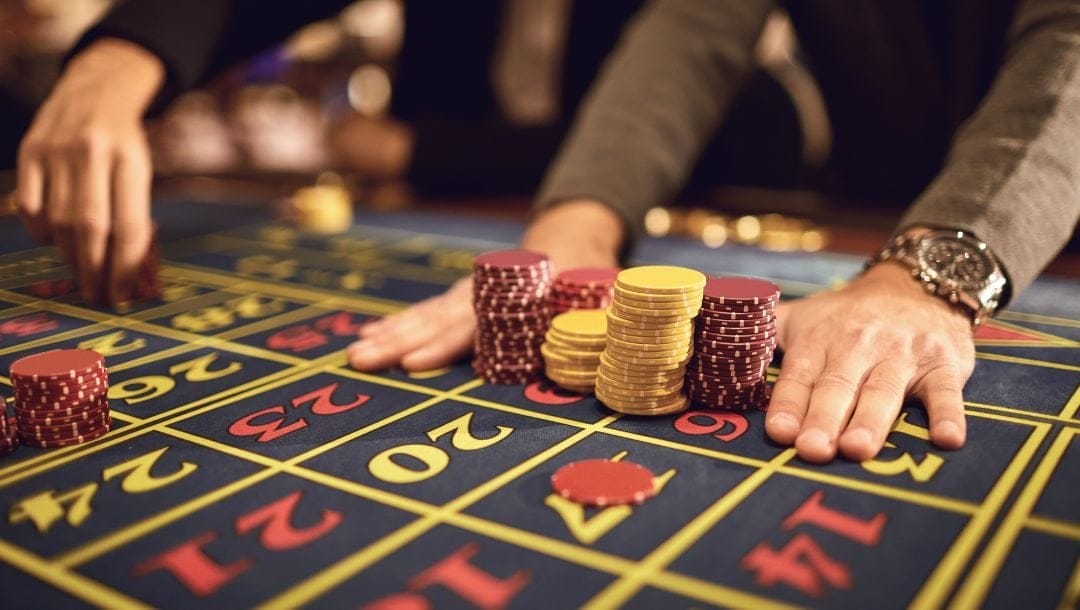
Additionally, consider the board’s texture when deciding to bluff. If the flop presents threatening combinations, such as potential straights or flushes, opponents are likely to be more cautious, creating an ideal environment for a bluff. Timing your bluff in tandem with the community cards allows you to present your play as a response to the board’s dynamics, enabling your stories to align convincingly with the situation. Remember, the more believable your bluff appears, the more likely you are to succeed.
Reading Your Opponents
Effective bluffing goes beyond just your own strategy; it’s crucial to accurately read your opponents at the poker table. Each player’s style provides insights into their potential hand strength. For instance, aggressive players are more likely to raise and bet often, while passive players may fold rather than risk losing. By quickly identifying the type of players you’re up against, you can tailor your bluffing strategy accordingly, choosing whom to bluff and when to do it.
Furthermore, keeping track of your opponents’ betting patterns can reveal critical information. If a player frequently bets strong in early rounds but becomes hesitant in later rounds, they may be bluffing themselves or possess a hand of limited strength. Conversely, a player who consistently checks when they should be betting may indicate weakness, providing an opportunity for you to seize the initiative with a well-timed bluff. Observing these patterns can give you invaluable information on when to strike.
Lastly, practice makes perfect when it comes to reading opponents. Engage in as many games as possible and learn from each experience. The more familiar you become with different playing styles, the more finely tuned your instincts will become. Whether you are analyzing body language, betting patterns, or emotional reactions, honing your reading skills can transform you into a formidable bluffer capable of outplaying even the most seasoned poker veterans.
Developing Your Bluffing Strategy
Creating a robust bluffing strategy involves a blend of instinct, experience, and mathematical acumen. To start, you should decide how often you want to bluff in your games. While there is no one-size-fits-all answer, many pros suggest a frequency of around 10-15% of your total hands for effective bluffing. This allows you to maintain the element of surprise while ensuring your bluffs are perceived as genuine by your opponents.
A well-rounded bluffing strategy also considers the varying stakes of the game. In lower-stakes games, players may be more inclined to call bluffs due to the lower financial risks involved. This can necessitate a tighter bluffing strategy, focusing on legitimate opportunities where the odds are in your favor. In contrast, higher-stakes games typically see more experienced players, who are more likely to read bluffs accurately, pushing you to refine your strategy even further.
Additionally, remember to incorporate a variety of bluff types into your game. For instance, semi-bluffing is a powerful strategy that involves betting on a hand that has the potential to improve but is currently weak. This can create confusion for your opponents, leading them to question whether they should call or fold. By diversifying your bluffing tactics, you can keep your opponents off balance and maintain an advantageous position at the table.
Final Thoughts on Bluffing in Poker
Mastering the art of bluffing in poker requires practice, patience, and a willingness to learn. Each game offers valuable lessons, and analyzing your experiences can help refine your techniques over time. By focusing on psychological factors, timing, opponent reads, and strategic development, you can elevate your bluffing to a professional level. Bluffing isn’t merely about deception; it’s about creating opportunities that allow you to win pots you would otherwise lose.
Also, be aware of the atmosphere at the table. An environment that promotes comfort and confidence will enhance your bluffing ability. Engaging in conversations and developing rapport with your opponents can improve your chances of executing successful bluffs. The more relaxed the table feels, the less likely players are to read your bluffs correctly, providing you with added leverage.
Ultimately, whether you are a novice or an experienced player, the principles of effective bluffing are universal. By dedicating time and effort to mastering these techniques, you can take your poker game to the next level. Remember, practice makes perfect, and the more you engage with the game, the more adept you will become at the intricate dance of bluffing in poker.