Sports have always been more than just a game. They are a universal language that transcends cultures, uniting people through a shared passion for competition and achievement. For teachers in Thailand, school sports activities, especially here at Saipanyarangsit (SPR) School, are also a meaningful way for students to build confidence, discipline, and teamwork beyond the classroom.
At the heart of every successful sports endeavor lies a critical element: teamwork. The relationship between sports and teamwork is powerful. It shapes not only the outcome of matches but also the lives of players on and off the field. As Michael Jordan once reflected, “I’ve missed more than 9000 shots in my career. I’ve lost almost 300 games. 26 times, I’ve been trusted to take the game-winning shot and missed. I’ve failed over and over and over again in my life. And that is why I succeed.”
Every generation has its favorite athletes. These professionals are adored by the masses, but while there are hundreds, if not thousands, of skilled athletes, the number who truly excel in their profession is astonishingly low. Every once in a while, a young individual grows into the talent of the century. These are the remarkable athletes who stand apart from the rest. These are the true champions who define an entire century in their field.
In this blog, I would like to share with you our sports activities in preparation for Sports Day. Through the BFITS Program, activities like these remind us that teaching in Thailand is not only about lessons and exams. It is also about helping students grow through teamwork, discipline, and shared experiences.
Basketball Builds Energy and Strategy
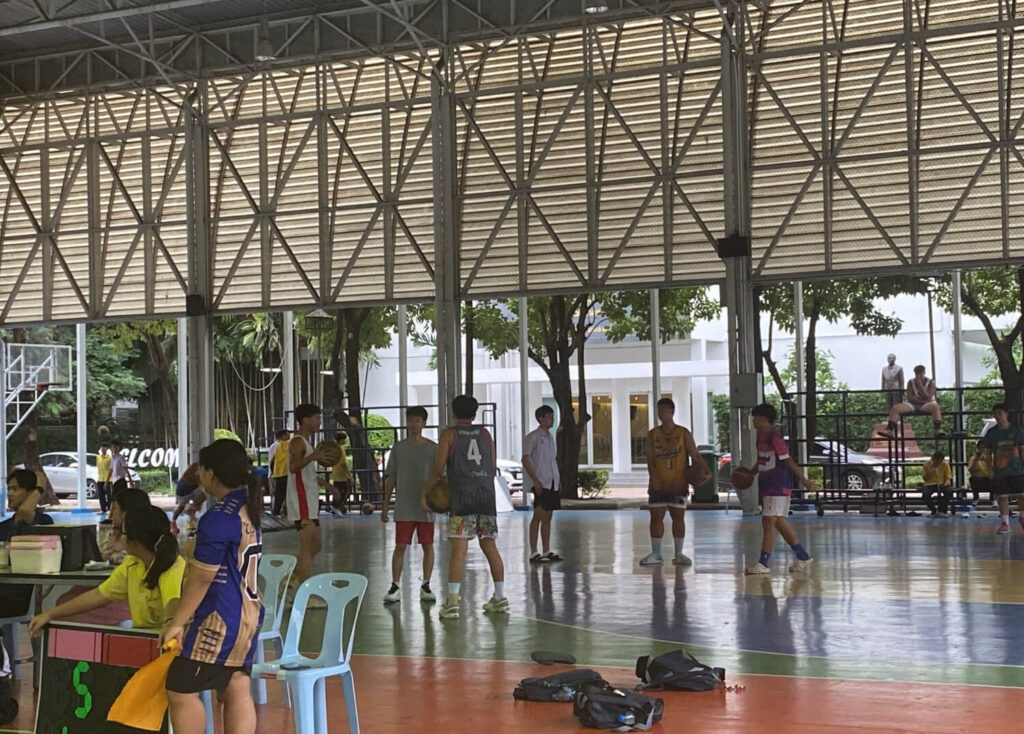
Let’s start with basketball. Basketball is more than just a sport; it is a global phenomenon that unites people through its dynamic energy, strategic gameplay, and rich history.
Invented in 1891 by Dr. James Naismith as a simple indoor activity, basketball has evolved into one of the most popular sports worldwide. It captivates fans and players of all ages. The game’s unique combination of athleticism, skill, and teamwork makes it a powerful medium for personal growth, community building, and global connection.
Dr. James Naismith, a physical education instructor in Springfield, Massachusetts, created basketball to keep his students active during winter. Using a soccer ball and two peach baskets as goals, he designed a game with 13 basic rules. Over time, the sport evolved. It adopted a more sophisticated set of rules, the introduction of the dribble, and the replacement of peach baskets with metal hoops and backboards.
Basketball is played on a rectangular court with two teams of five players each. The objective is to score points by shooting the ball through the opposing team’s hoop while preventing them from doing the same. A standard game consists of four quarters, each lasting 10 or 12 minutes, depending on the league.
Physical and Mental Game Skills
The game demands a blend of physical and mental skills.
- Athleticism: Players must possess speed, agility, and endurance to navigate the court effectively.
- Skill: Dribbling, shooting, passing, and rebounding are fundamental techniques that players refine through practice.
- Strategy: Successful teams employ offensive plays, defensive setups, and adaptability to outwit their opponents.
- Teamwork: Cooperation among players is crucial for executing strategies and achieving victory.
Basketball Encourages Personal Growth

Basketball is not just about competition. It is a platform for personal growth. Playing the sport teaches valuable life skills such as discipline, perseverance, and time management. Athletes learn to set goals, work toward them with dedication, and handle both success and failure with grace.
The fast-paced nature of basketball also enhances cognitive abilities. Players must make split-second decisions, analyze their opponents’ movements, and anticipate plays. This sharpens their problem-solving skills and mental agility, which are transferable to other areas of life.
Moreover, basketball promotes physical health. Regular participation improves cardiovascular fitness, muscle strength, and coordination. It also fosters mental well-being by reducing stress and building self-confidence.
For those teaching in Thailand, moments like these show how sports can support student development in ways that connect naturally with classroom values. Discipline, focus, teamwork, and confidence are all part of the learning process.
Volleyball Highlights Team Coordination
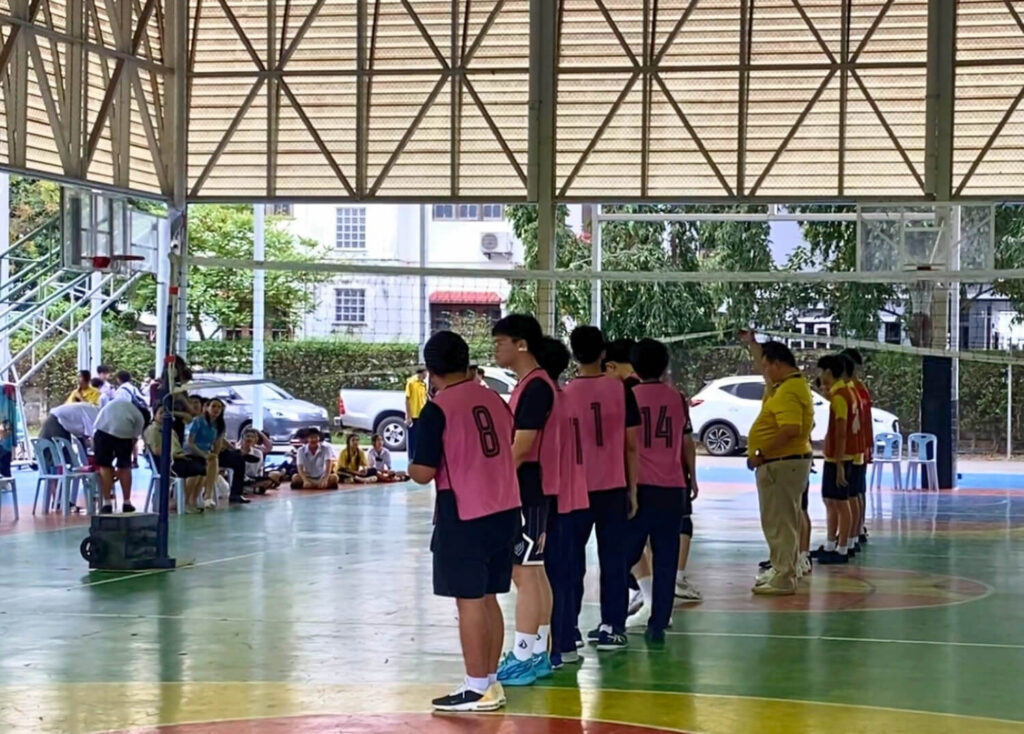
The next is my favorite: volleyball. Volleyball is a captivating sport that combines athleticism, strategy, and teamwork into a dynamic and engaging game.
Since its invention in 1895 by William G. Morgan, volleyball has grown into one of the most popular sports worldwide. It is played by millions across various settings, from beaches to gymnasiums. Beyond its exciting gameplay, volleyball is a sport that fosters personal development, promotes community, and inspires a spirit of unity.
Volleyball was created by William G. Morgan as an indoor game designed for older individuals seeking a less physically demanding alternative to basketball. Originally called “Mintonette,” the sport involved players volleying a ball over a net, aiming to keep it from touching the ground.
Over time, the game evolved with standardized rules, the introduction of a lighter ball, and the creation of variations like beach volleyball. The inclusion of volleyball in the Olympic Games in 1964 marked a significant milestone, solidifying its place on the global stage. Today, volleyball is played in professional leagues, schools, and recreational settings, captivating audiences with its fast-paced action.
How Volleyball Is Played
Volleyball is played on a rectangular court divided by a net. Each team consists of six players on the court at a time, with substitutions allowed. The objective is to score points by hitting the ball over the net into the opposing team’s court or by forcing the opponents to make an error.
Key elements of volleyball include:
- Serving: The game begins with a serve, where a player hits the ball over the net to the opposing team. A strong serve can set the tone for the rally.
- Passing: Effective passing ensures that the ball is directed to the setter, who organizes the team’s offense.
- Setting: The setter plays a pivotal role in setting up attacks by positioning the ball for the spiker.
- Spiking and Blocking: Spikers aim to score points by hitting the ball forcefully over the net, while blockers attempt to prevent the ball from crossing.
- Defense: Defensive skills, such as digging, are crucial for keeping the ball in play during intense rallies.
Volleyball is a game of strategy and anticipation. Players must work together to execute plays and adapt to their opponent’s tactics.
Volleyball Shows Trust and Adaptability
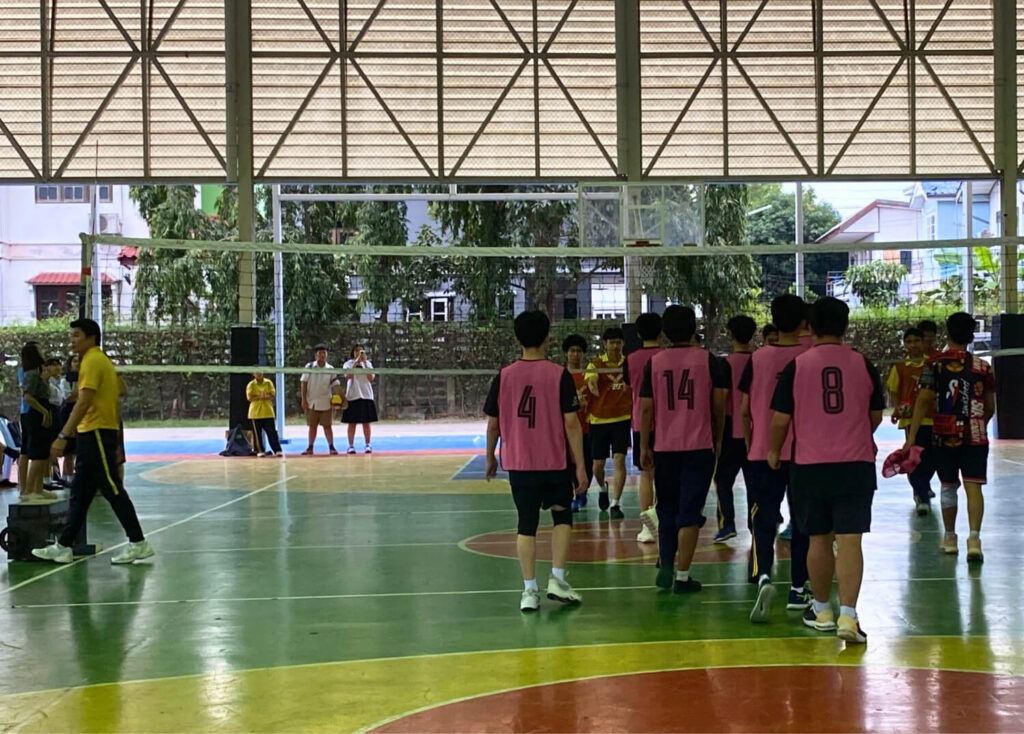
Volleyball is a sport that exemplifies teamwork. Success depends on the seamless coordination of players who must communicate, trust one another, and fulfill their specific roles.
- Communication: Players constantly communicate through verbal cues and signals. This ensures that everyone is aware of the game plan and their responsibilities during each play.
- Trust: Trust is essential in volleyball. Players rely on their teammates to make accurate passes, strategic sets, and effective spikes. This trust fosters a sense of unity and confidence within the team.
- Adaptability: Volleyball is a fast-paced game where situations can change rapidly. Teams must adapt to their opponent’s strategies and adjust their approach accordingly.
These teamwork skills are not only crucial for success on the court. They are also valuable in everyday life, promoting collaboration and problem-solving. This is one of the reasons sports activities remain an important part of the student experience at BFITS Thailand.
Sports Strengthen Life Skills
Playing volleyball offers numerous physical and personal benefits.
- Physical Fitness: Volleyball improves cardiovascular health, builds muscle strength, and enhances coordination and agility. The sport’s constant movement and quick reflexes provide a full-body workout.
- Mental Focus: Volleyball sharpens mental acuity by requiring players to make split-second decisions and anticipate their opponent’s moves.
- Social Skills: Volleyball’s team-oriented nature encourages players to develop communication skills, build relationships, and work collaboratively toward shared goals.
- Resilience and Discipline: Overcoming challenges in volleyball, such as tough opponents or personal mistakes, teaches resilience and the value of persistence.
In my next blog, I will be sharing about other events as well. On a final note, sports and teamwork are inseparable, each enhancing the value of the other. Through teamwork, sports teach us vital life skills like communication, resilience, and collaboration. These skills prepare students for challenges far beyond the playing field.
They foster unity, create lasting bonds, and inspire a sense of purpose that transcends individual achievement.
Teamwork Makes the Victory Meaningful
In a world where collaboration is increasingly important, the lessons learned from sports and teamwork are more relevant than ever. Whether you are a player, coach, or fan, embracing the spirit of teamwork can lead to personal growth, stronger communities, and a better society.
So, the next time you watch or participate in a game, remember that the true victory lies not just in the score, but in the teamwork that made it possible.
For those who teach in Thailand, sports activities like these show how students grow through movement, competition, encouragement, and shared responsibility. Through the BFITS Program, these moments help students build not only school spirit but also the bonds and teamwork they will carry beyond Sports Day.