Preparatory courses, often called “prep courses” or “foundation programs,” serve as a crucial bridge for individuals transitioning into new academic or professional environments. This is especially true within the demanding fields of science. For teachers who teach Science in Thailand through the BFITS Program, these early learning experiences help students build confidence before entering a more challenging academic year.
These structured learning programs are designed to equip students with foundational scientific knowledge, essential laboratory skills, and analytical confidence. These skills are necessary to succeed in a more rigorous scientific curriculum or a competitive entrance examination for science disciplines. Far from being mere remedial classes, preparatory science courses play a multifaceted role in fostering academic readiness, enhancing career prospects, and leveling the playing field for diverse learners pursuing scientific careers.
Prep courses also serve as an avenue for helping students to enhance their skills ahead. They also inspire them to engage more in hands-on activities and science experiments.
Starting Strong with Science Prep
“Before anything else, preparation is the key to success.”
— Alexander Graham Bell
The primary objective of a science preparatory course is to fill knowledge gaps and strengthen fundamental scientific concepts. For instance, a pre-secondary foundation year in science might revisit core subjects such as advanced mathematics, including algebra. It may also revisit physics, including mechanics and electromagnetism, chemistry, including matter, and biology, including genetics and cellular processes.
From the 21st of April to the 2nd of May, Saipanyarangsit (SPR) School held preparatory courses for incoming Mathayom 1 (Grade 7) and Mathayom 4 (Grade 10) students in the Mini-English Program. I had the opportunity to teach the M1 students for the Science classes.
In this blog, I wanted to share my experiences in teaching the prep course for the Science subject. For those teaching in Thailand, a prep course is more than an academic introduction. It is also a chance to help students start with confidence, curiosity, and a stronger sense of readiness.
The Beauty of Learning the Scientific Method
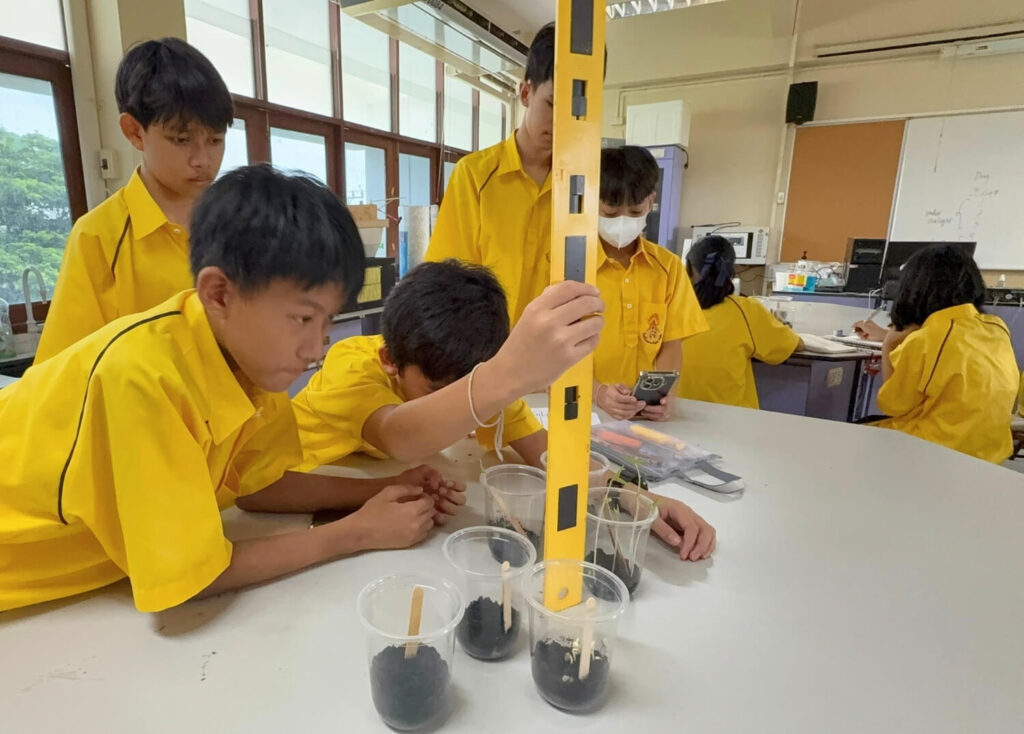
“The scientific method,” Thomas Henry Huxley once wrote, “is nothing but the normal working of the human mind.” That is to say, when the mind is working, that is to say, further, when it is engaged in correcting its mistakes.
The scientific method is not merely a set of steps. It is a dynamic, iterative process foundational to all scientific inquiry and critical thinking. In SPR Science Curriculum Education, teaching the scientific method effectively goes beyond memorizing terms like “hypothesis” or “experiment.”
It involves fostering an analytical mindset, encouraging systematic problem-solving, and cultivating an appreciation for evidence-based reasoning. This fundamental approach to understanding the natural world is indispensable for equipping students. It prepares them not only for future scientific endeavors but also for navigating an increasingly complex and data-driven society.
A truly effective approach to teaching the scientific method emphasizes its practical application rather than just theoretical understanding. Students learn best by doing. Instead of presenting the steps linearly on a whiteboard, educators should design hands-on activities and inquiry-based labs in which students actively formulate questions, design experiments, collect and analyze data, and draw conclusions.
Growing Mung Beans Through Inquiry
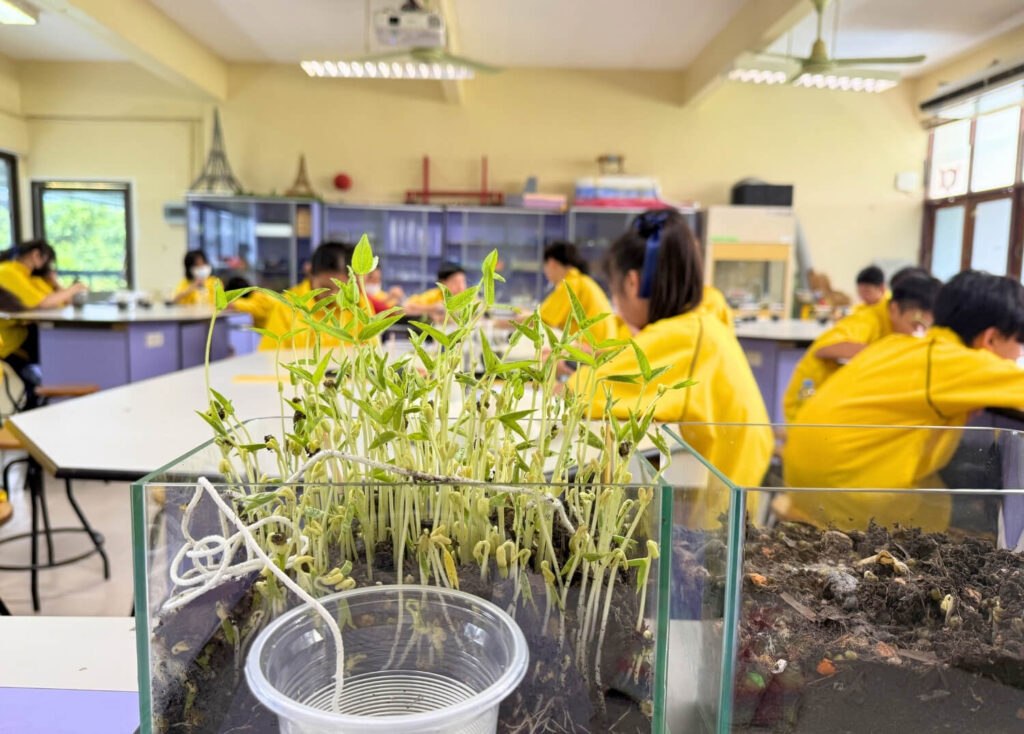
One of the lab classes we did was the Mung Bean Growth Experiment. The simple mung bean growth experiment elegantly underscores the indispensable and interconnected roles of sunlight and water in plant development.
Sunlight provides the energy for the very act of living and growing. Water acts as the medium, reactant, and structural support system. The optimal interplay of these two environmental factors creates fertile ground for life to flourish, resulting in healthy, vibrant mung bean plants.
This activity gave students a practical way to observe growth, gather data, and understand how environmental factors affect living things. It also helped them connect scientific observation with patience, consistency, and evidence-based thinking.
Designing Parachutes in STEM Challenges
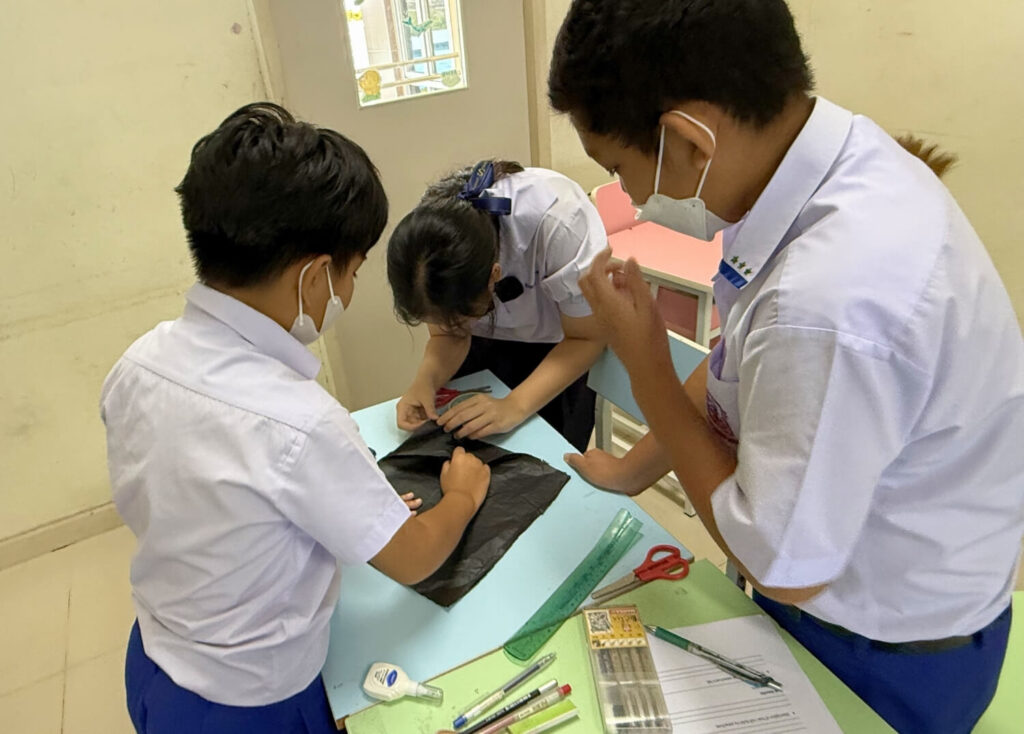
Another skill that I wanted the students to enhance is their ability to design and create. STEM challenges, integrating Science, Technology, Engineering, and Mathematics, offer invaluable hands-on learning experiences that transcend traditional classroom boundaries.
Among the myriad of such challenges, designing and building a parachute stands out as a particularly engaging and enlightening activity. It elegantly distills complex scientific principles into a tangible project. It invites participants to experiment, innovate, and problem-solve in a truly immersive way.
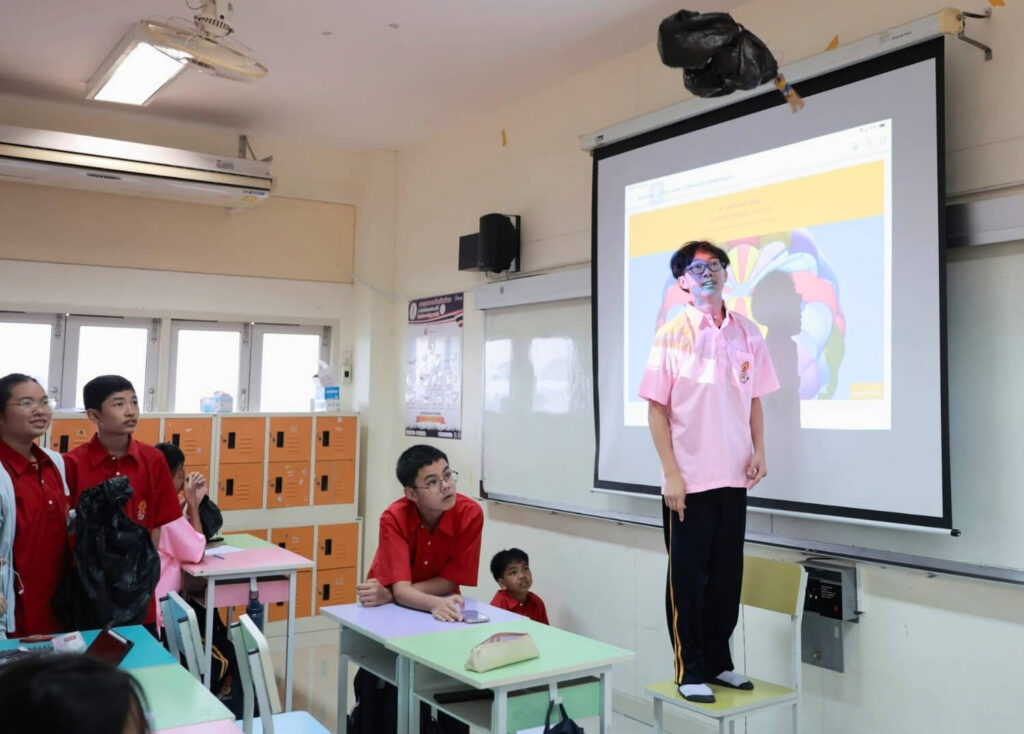
The parachute challenge is far more than just a fun craft activity. It is a comprehensive STEM experience. It transforms abstract scientific theories into concrete applications, leverages technology for precise execution, demands rigorous engineering design, and relies heavily on mathematical analysis.
Through the iterative process of designing, building, testing, and refining a parachute, participants gain a deeper understanding of fundamental STEM principles. They also develop critical thinking, problem-solving, and collaborative skills that are essential in an increasingly complex world. It teaches that innovation often arises from failure, and that the path to success is paved with curiosity, experimentation, and persistence.
Exploring Science Under the Microscope
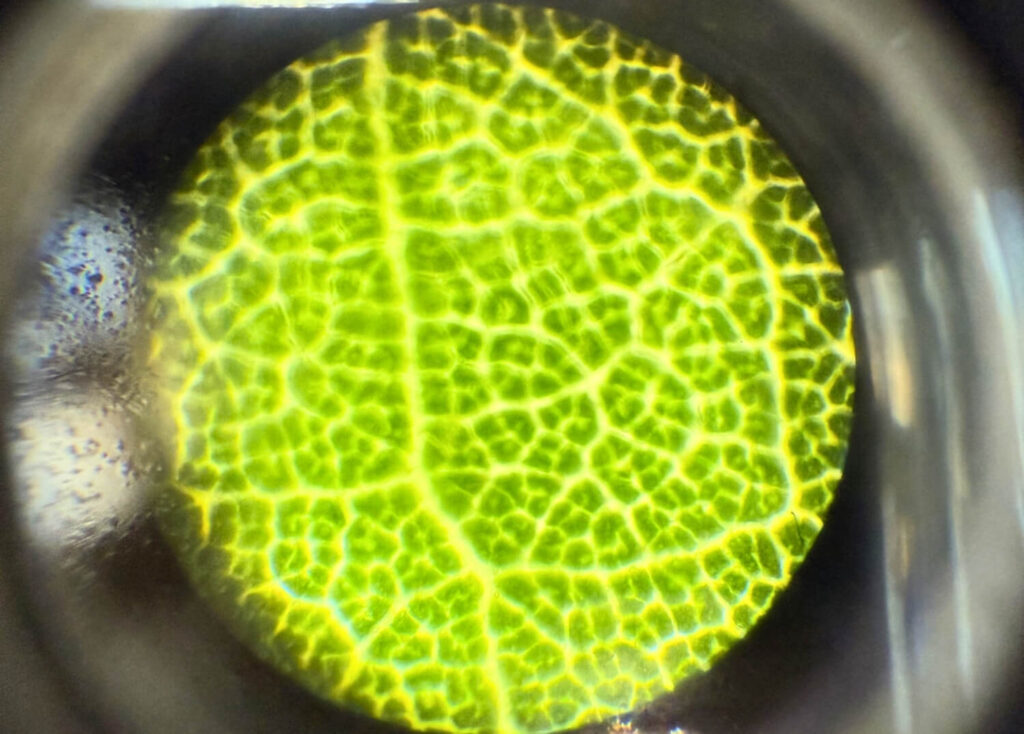
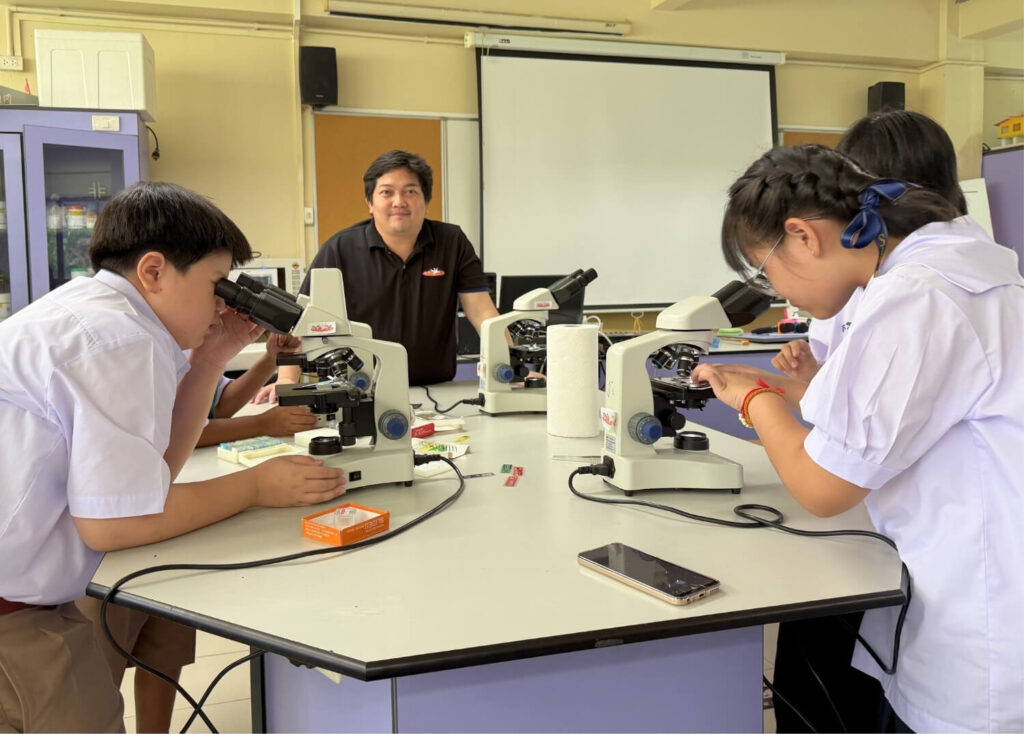
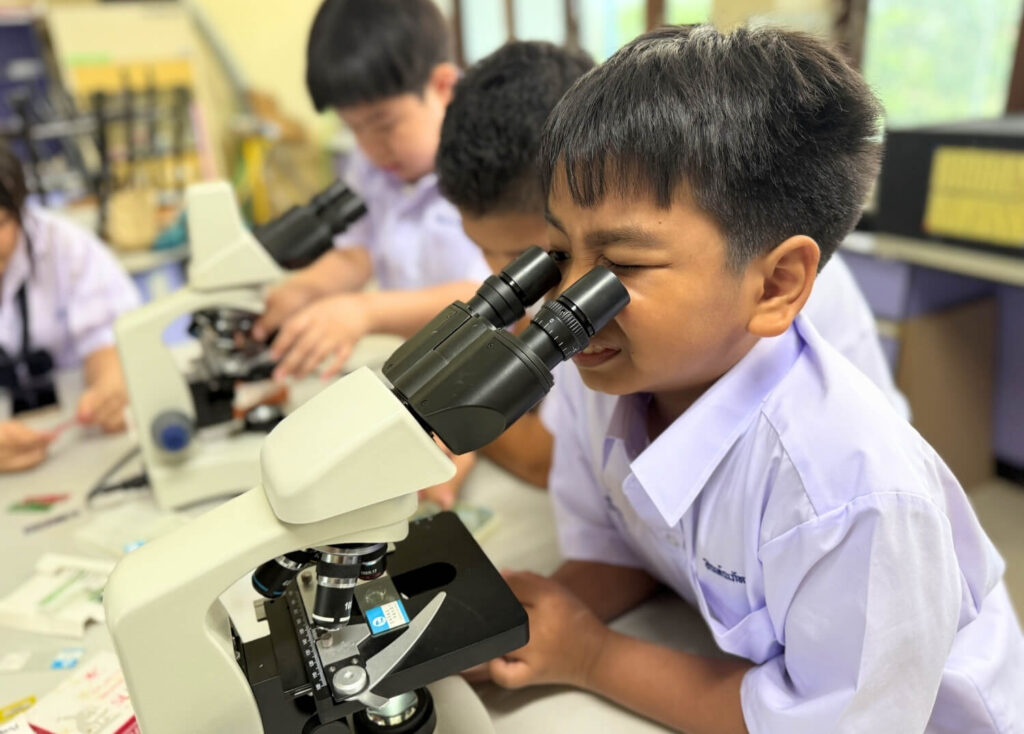
The students’ familiarity with and ability to use the Science Laboratory Equipment help them understand lessons better. One of the skills I wanted to teach them is how to use a microscope.
Using the microscope is a multifaceted endeavor that combines precise scientific technique with the wonder of visual exploration. It is a process that demands patience, attention to detail, and a willingness to be amazed by the hidden complexities of existence.
As technology continues to advance, providing ever more powerful and detailed views into the infinitesimal, the microscope remains a powerful symbol of human ingenuity. It also reflects our enduring drive to explore the boundaries of perception. It continually reveals the art and science woven into the fabric of the universe, one magnified image at a time.
Students learned the different parts of the microscope, how to use it, and saw some sample images, such as a strand of their hair, leaf samples, and others. For students in the BFITS Program, laboratory familiarity is important. It helps turn science from something they read about into something they can observe directly.
Making Chemistry Engaging and Fun
One of my favorite experiments in my class is the elephant’s toothpaste chemical reaction. The “elephant’s toothpaste” experiment is a captivating and visually striking demonstration that never fails to impress. It embodies the exciting and often dramatic nature of chemical reactions.
More than just a show, this popular lab activity provides a fantastic, hands-on introduction to concepts such as catalysis, exothermic reactions, and the decomposition of hydrogen peroxide. Its widespread appeal lies in its simplicity, accessibility, and the sheer volume of foam it produces. It resembles a gigantic tube of toothpaste being squeezed out for an elephant.
The elephant’s toothpaste lab is far more than just a fun science trick. It is a powerful educational tool that unforgettably illustrates key chemical principles. Its vibrant foam eruption serves as a gateway to a deeper understanding. It demonstrates catalysis, gas production, and exothermic reactions with undeniable flair.
Through this simple yet dramatic experiment, the intricate world of chemistry becomes accessible, exciting, and quite literally overflowing with possibilities.
Understanding Sublimation Through Dry Ice
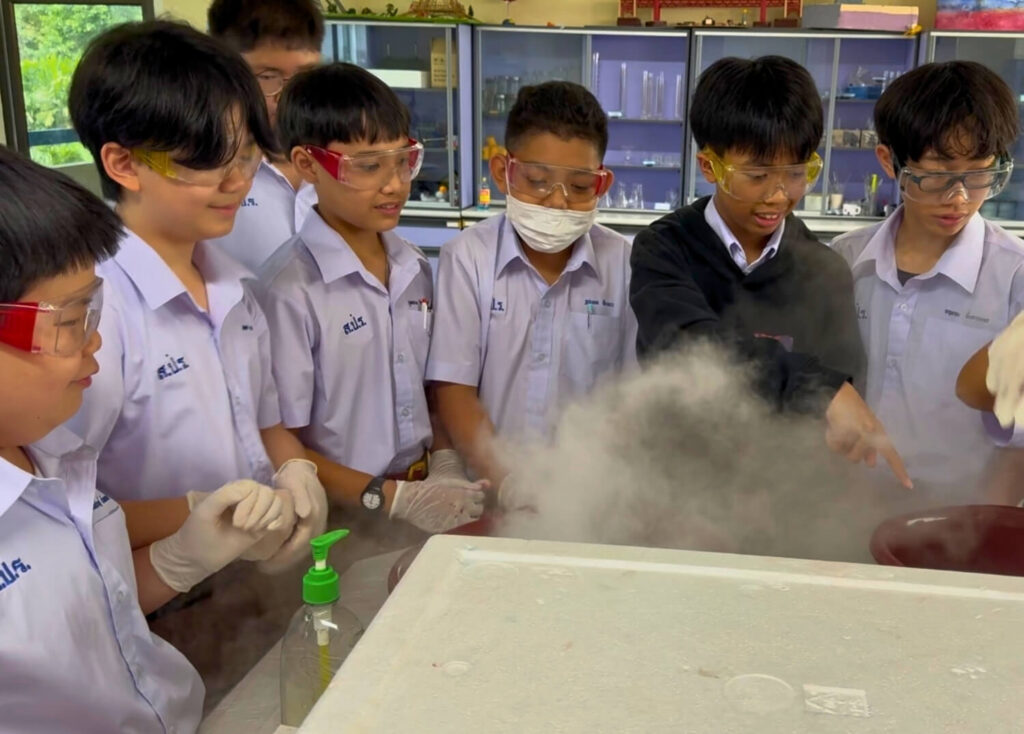
The simple yet profound interaction between dry ice and boiling water offers a window into the fundamental principles of physical chemistry. It transforms an abstract concept like sublimation into a tangible, awe-inspiring event that engages both the senses and the intellect.
This experiment is a powerful reminder of how readily accessible materials can reveal the elegant and often surprising laws that govern the physical world. It makes the unseen processes of nature visible and deepens appreciation for the states of matter that define our universe.
Activities like this help students see that science is not limited to formulas and definitions. It is something they can observe, question, and understand through experience.
Preparing Students for Greater Success
“The harder you work for something, the greater you’ll feel when you achieve it.”
Prep courses have emerged not merely as supplementary aids but as indispensable tools. They offer structured guidance, targeted content, and strategic approaches that significantly enhance an individual’s chances of success.
Helping the students achieve their potential and greatness is one of the most rewarding parts of teaching Science in Thailand. Through the BFITS Program, experiences like the SPR Science Prep Course help students build stronger foundations. They also help students build confidence through hands-on learning, practical experiments, and meaningful classroom engagement.


![[BFITS] BrightMinds Series_The Future is Yours KickOff Session on Expert Insights for Your Future Career with Mr. Suthichai Yoon](https://bfitsthailand.com/wp-content/uploads/2025/01/BFITS-BrightMinds-Series_The-Future-is-Yours-KickOff-Session-on-Expert-Insights-for-Your-Future-Career-with-Mr.-Suthichai-Yoon-300x109.jpg)








![[BFITS] Be Like Greg_Exploring Opportunities and Embracing My New Teaching Role in Thailand](https://bfitsthailand.com/wp-content/uploads/2025/03/BFITS-Be-Like-Greg_Exploring-Opportunities-and-Embracing-My-New-Teaching-Role-in-Thailand-300x109.jpg)