Teachers’ Day in every country is more than a school ceremony. For those who are teaching in Thailand through the BFITS Program, it is a meaningful reminder of how deeply teachers are respected in Thai school culture. It is also a moment to reflect on the role teachers play in shaping students’ confidence, values, and future.
Teachers are the architects of minds, the sculptors of souls, and the unsung heroes who light the path to knowledge and wisdom for countless generations. As William Arthur Ward once said, “Teaching is more than imparting knowledge; it is inspiring change. Learning is more than absorbing facts; it is acquiring understanding.” This reminds us that teaching is not only about lessons, but also about guiding students toward growth and purpose.
It is this profound and irreplaceable contribution that the world acknowledges and celebrates through Teachers’ Day. In Thailand, they call it “Wai Kru Day,” a special occasion dedicated to honoring the dedication, sacrifices, and invaluable efforts of educators across the country. More than just a date on the calendar, Teachers’ Day is a heartfelt expression of gratitude and a moment for collective reflection on the future of education.
The Profound Role of Teachers
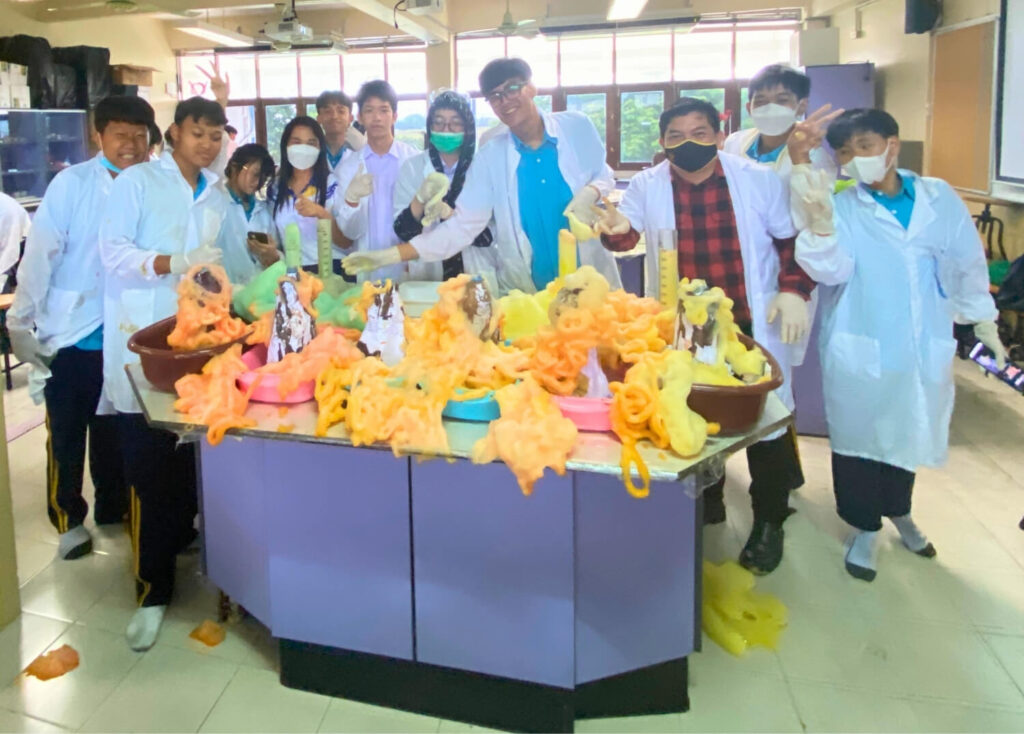
To truly appreciate Wai Kru (Teachers’ Day), one must first grasp the profound and multifaceted role teachers play. Their responsibilities extend far beyond the mere transmission of facts and figures.
Firstly, teachers are knowledge facilitators. They introduce students to the vast expanse of human knowledge. This includes the complexities of mathematics, the wonders of science, the nuances of literature, and the depths of history.
They ignite curiosity, encourage critical thinking, and equip learners with the tools necessary to navigate an ever-evolving world. A good teacher does not just provide answers. They teach students how to ask the right questions and how to seek knowledge independently.
For teachers in Thailand, moments like this show that education is not only about content. It is also about helping students develop confidence, curiosity, and a sense of purpose.
Guiding Character and Student Growth
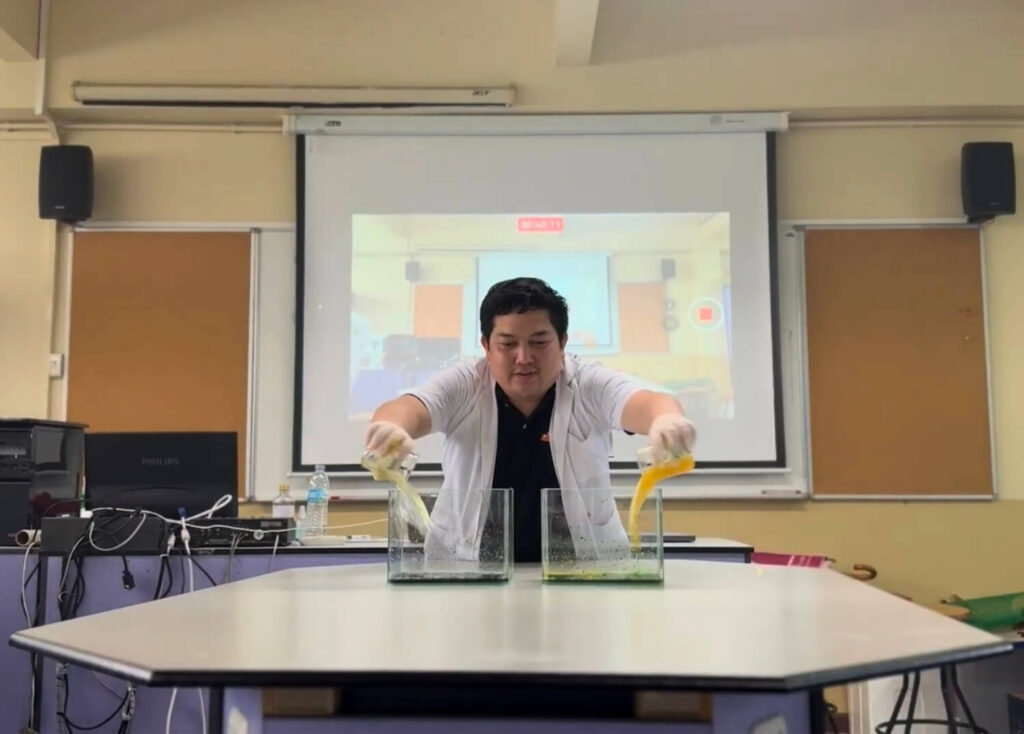
Secondly, teachers are character builders and moral guides. Beyond academic curricula, they are instrumental in shaping a student’s personality. They instill values, discipline, empathy, and social responsibility. They teach about right and wrong, fairness, perseverance, and the importance of integrity.
Often, a teacher’s patience, fairness, and encouragement leave a more lasting impression than any lesson plan. These qualities help mold individuals who are not only academically proficient but also morally upright and socially conscious citizens.
Thirdly, teachers are inspirers and motivators. They discover and nurture hidden talents. They push students beyond their perceived limits and help them realize their full potential. Many successful professionals, artists, scientists, and leaders can trace their initial spark of interest or their enduring confidence back to an inspiring teacher.
Sometimes, that teacher believed in them, challenged them, or simply provided a safe space for exploration and growth. They are the ones who make learning exciting. They turn difficult subjects into manageable challenges, foster a lifelong love of learning, and inspire students to reach their full potential and reach for the stars.
Mentors, Models, and Community Builders
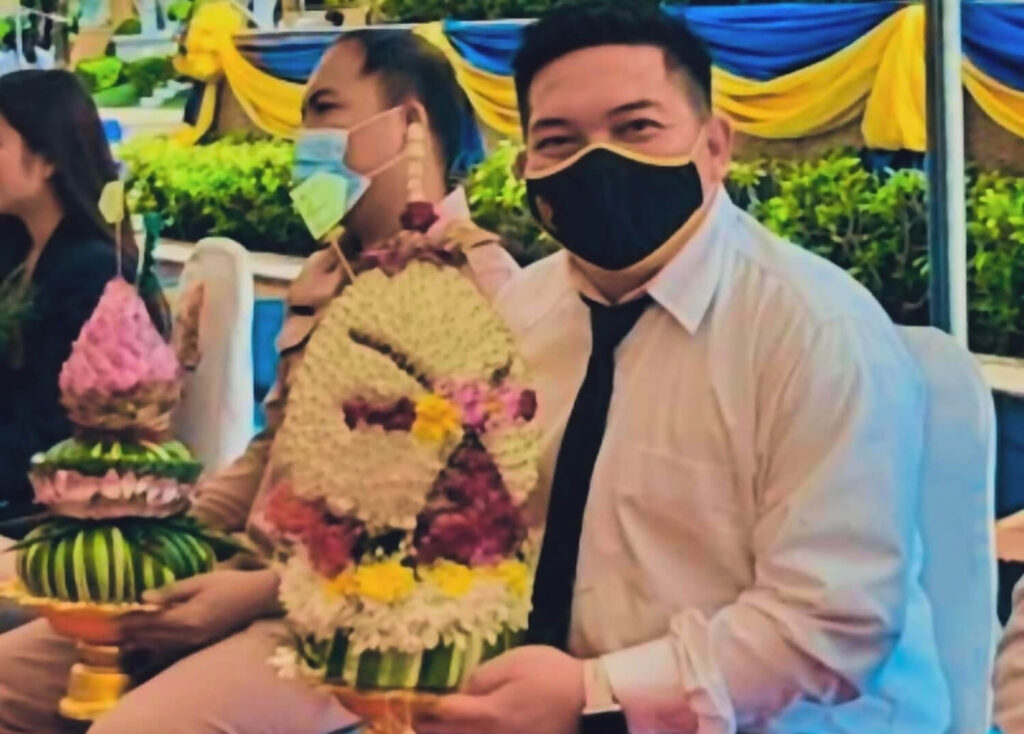
Fourthly, teachers serve as mentors and role models. In many cases, especially for children from challenging backgrounds, a teacher might be the most stable and positive adult figure in their lives.
They offer guidance, listen without judgment, and provide a sense of stability and security. Their professionalism, dedication, and passion for their subject matter set a powerful example for impressionable young minds.
Finally, teachers are crucial for societal development. An educated populace is the bedrock of a progressive society. Teachers are at the forefront of this by educating future doctors, engineers, artists, politicians, and innovators.
They contribute directly to a nation’s economic growth, social cohesion, and cultural richness. Without dedicated teachers, the machinery of societal progress would grind to a halt. Teachers’ Day, therefore, is a moment to collectively acknowledge this foundational contribution. It also reinforces society’s commitment to supporting this vital profession.
Celebrating Wai Kru in Thailand
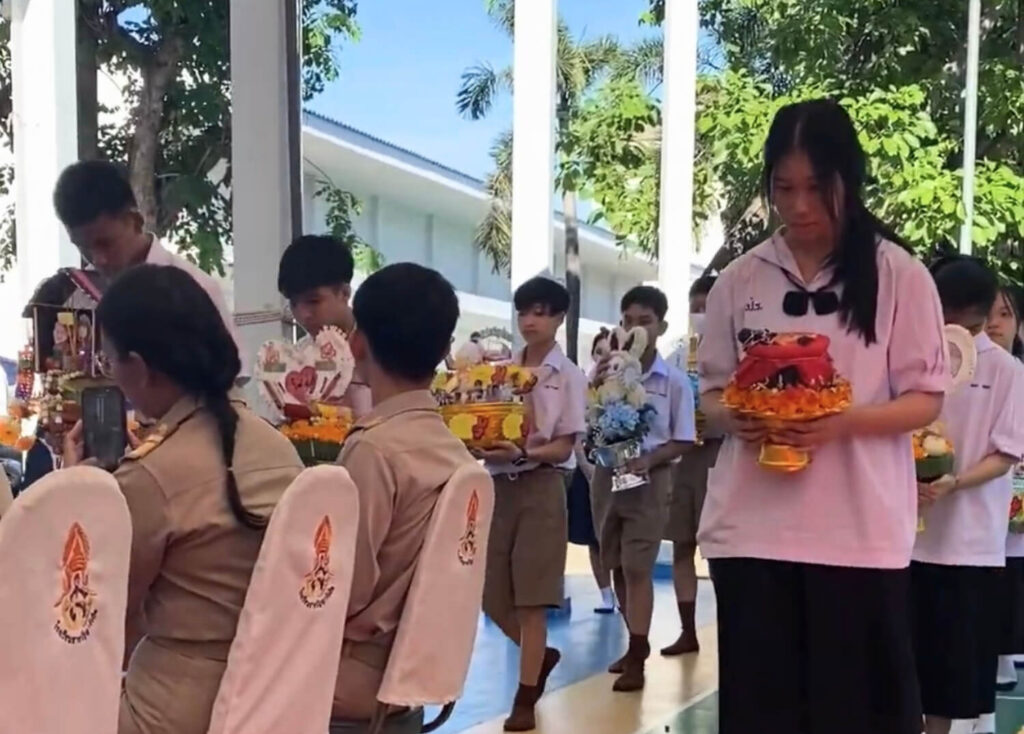
The cornerstone of Teachers’ Day celebrations in Thailand is the Wai Kru (ไหว้ครู) ceremony. This traditional ceremony is usually held at the beginning of the academic year or on Teachers’ Day itself. It is a solemn and deeply respected event in which students pay homage to their teachers. They celebrate the Wai Kru ceremony, where the students pay respect to their teachers.
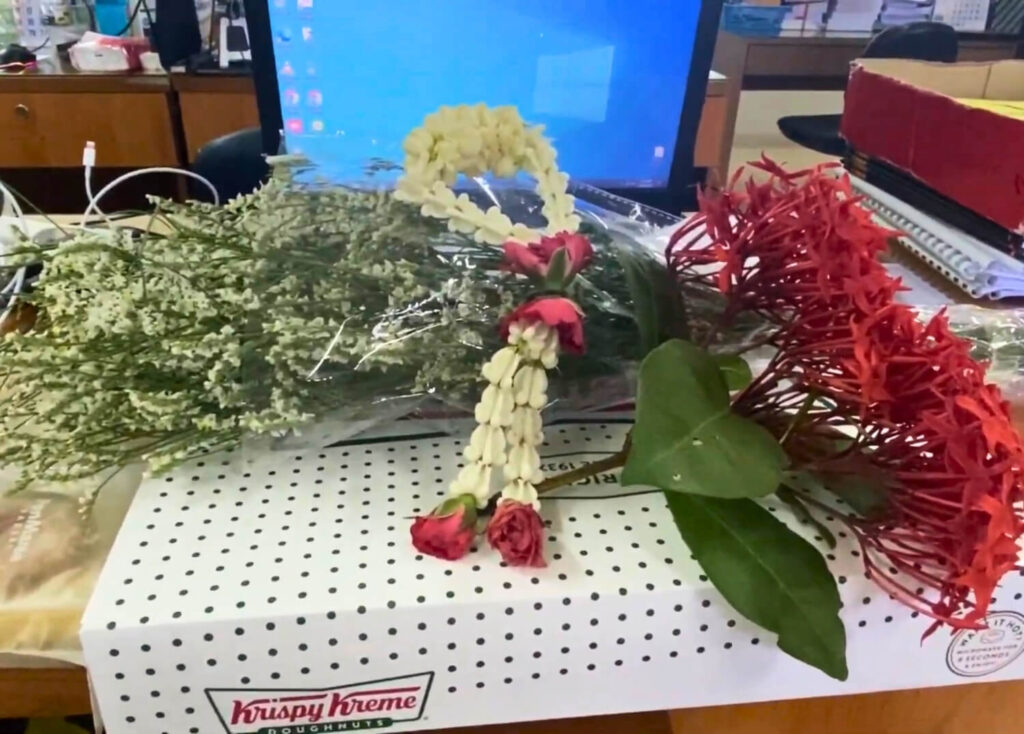
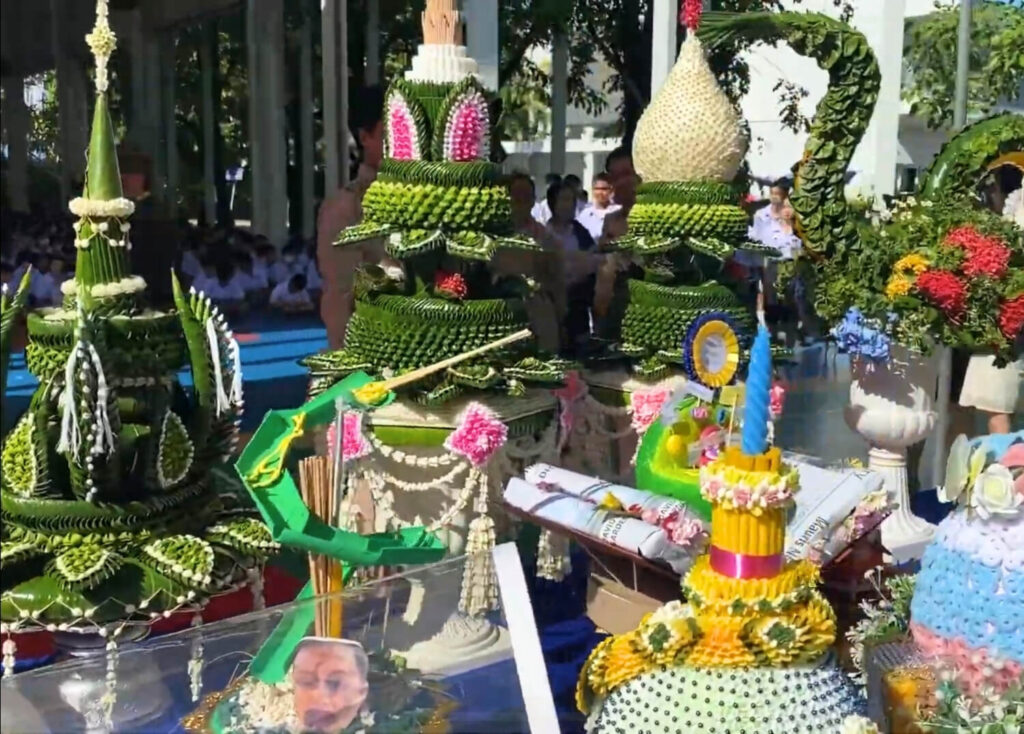
First, students typically sit on the floor in front of their teachers. They prepare and present flower arrangements. These often include specific plants that symbolize key qualities. Dok Makheua, or eggplant flower, symbolizes humility and respect. Ya Praek, or Bermuda grass, symbolizes resilience and rapid learning. Khao Tok, or popped rice, symbolizes discipline and order. Dok Kem, or Ixora flower, symbolizes sharp wit and intelligence.
In today’s generation, students have also incorporated pictures into the flower decorations. Some have added mechanical devices, sneaker designs, and other creative elements. Students perform the wai gesture, a respectful bow with palms pressed together. They may also prostrate themselves before their teachers. They recite a pledge of loyalty and respect, seeking their teachers’ blessings.
Teachers may offer words of wisdom and encouragement in return. For those teaching abroad, Wai Kru Day offers a meaningful glimpse into Thai school culture. It shows how respect, gratitude, and education are deeply connected in the classroom experience.
Performances, Messages, and Appreciation
Beyond the Wai Kru ceremony, other common forms of celebration involve special assemblies or programs. Students meticulously prepare cultural performances, including songs, dances, skits, and poetry recitations.
All of these are themed around expressing gratitude to their teachers. These performances often showcase the students’ diverse talents while providing a lighthearted and entertaining tribute. Skits frequently depict humorous or poignant classroom scenarios. They also highlight the everyday dedication of teachers.
Heartfelt greetings and personalized messages are perhaps the most cherished gestures. Students often create handmade cards, write letters, or prepare small gifts as tokens of their affection. These messages are often simple yet sincere. They express genuine gratitude for the guidance, patience, and encouragement received throughout the year.
The personal touch of these gestures makes them invaluable to teachers. They treasure the emotional connection fostered with their students.
Gifts and Schoolwide Teacher Tributes
Gifts, while not the primary focus, are a customary part of celebrations. These can range from simple flowers and chocolates to more practical items. Some may even be collective gifts purchased by a class.
The value of the gift pales in comparison to the sentiment behind it. It symbolizes the students’ collective appreciation. Some schools organize special luncheons or dinners for teachers. These provide an opportunity for teachers to relax and celebrate together outside the regular classroom environment.
Beyond the students’ initiatives, school administrations often organize their tributes. This might include a special breakfast, lunch, or high tea for the faculty. Sometimes, it may also be accompanied by small tokens of appreciation from the management.
Speeches by principals or headmasters often acknowledge the hard work and commitment of their teaching staff. These moments reinforce the school’s appreciation and aim to bolster teacher morale. They also create a stronger sense of community among educators.
The Enduring Impact of Teachers

The impact of teachers is profound and often immeasurable. It echoes through their students’ lives for decades. An inspiring teacher can alter the trajectory of a life. They can instill a passion, unlock a talent, or simply provide the belief that a student needs to succeed.
These influences are not fleeting. They contribute to the intellectual, emotional, and social capital of individuals and, by extension, of society. Teachers’ Day in Thailand, with its distinct observance and its revered Wai Kru ceremony, is a powerful testament to the indispensable role of educators.
It is a day when students, parents, communities, and governments pause to acknowledge the tireless efforts, profound dedication, and immense sacrifices made by teachers across the nation. From the solemn traditions within school premises, filled with student homage and heartfelt messages, to national awards and public campaigns, every facet of the observance underscores a universal truth.
Teachers are the bedrock of civilization. They are the cultivators of intellect, the guardians of values, and the architects of a brighter future.
Proudly Teaching in Thailand

As we look to the future, the enduring reverence for teachers, as epitomized by Teachers’ Day (Wai Kru Day), must translate into sustained support, fair recognition, and continuous investment in a profession that holds the keys to human progress and societal well-being in Thailand.
I’m a teacher, and I’m a proud BFITS Teacher in Thailand, always ready to inspire the next generation.
Happy Teacher’s Day to everyone! And be proud of yourself. You are a teacher!