For those of us who teach in Thailand through the BFITS Program, some of the most meaningful moments happen outside the classroom. English camps like this are where curiosity comes alive, where students learn through movement, creativity, and connection, building confidence and communication skills in ways that feel natural and lasting.
A New Camp Experience Begins
“Give a man a fish, and you feed him for a day; teach a man to fish, and you feed him for a lifetime.”
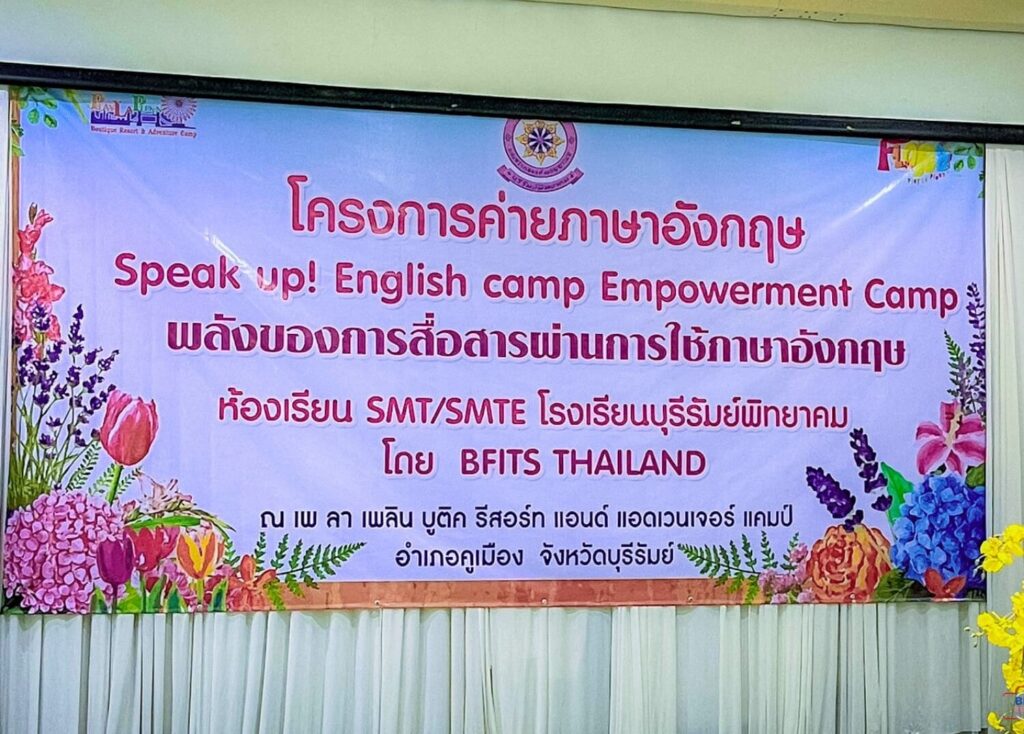
On Sunday, September 22nd, I attended my first English Camp of the school year in Buriram Pitthayakhom (BP) School. It was for the ICEP (Intensive Communication English Program) students in my school, and although they are not actually students, I teach myself, I was very happy to help out.
The camp took place at Play La Ploen Resort, located about 35km outside the city of Buriram, and a place I have become quite familiar with, as I had attended the BFITS Space Day event at this very location. This resort offers a very large meeting room, perfect for our games and activities that we had diligently planned in the days and weeks before.
Early Morning Preparations with the Team
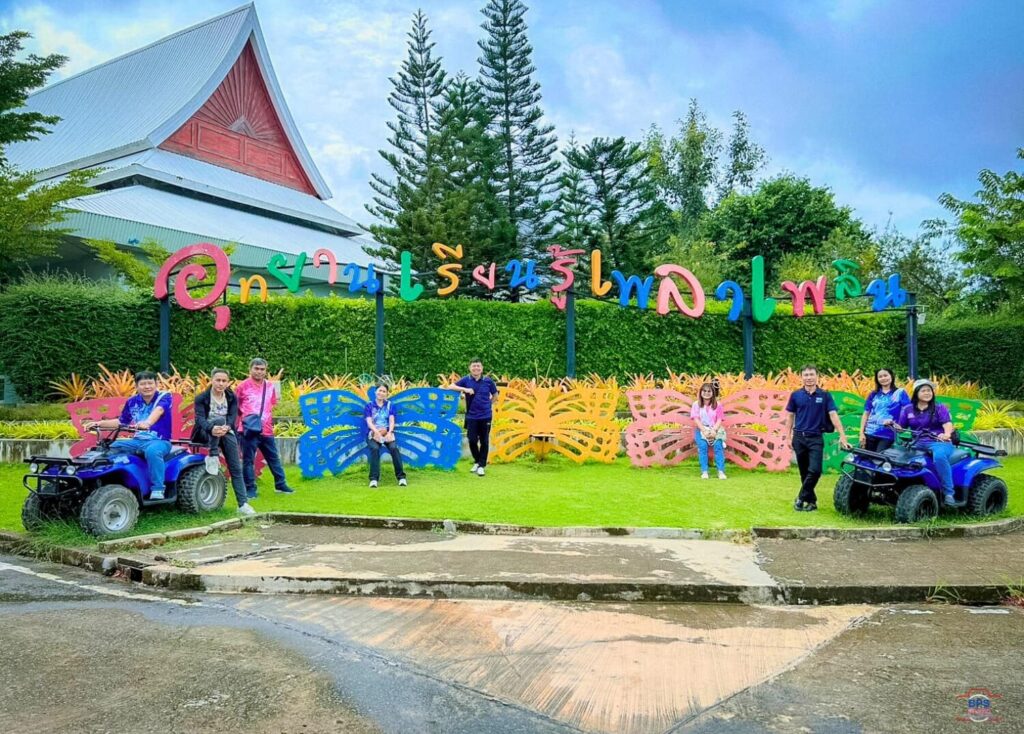
The foreign teachers who attended the camp were me, Head Teacher Charles Northfield, Jacquie van der Helde, Dan Lindsay, and Roger Greenslade. We were ably and expertly assisted by our coordinators, Nart and Toey, along with Joom, our Operations Manager, from the BFITS office here in Buriram.
We set off from school at 6.30 am to arrive before the students and to set up what we needed for the day ahead. By the time the busloads of students pulled up at the resort at 8 am, we had decided where each of our individual activities would take place and how we would be opening the camp.
Breaking the Ice and Starting Strong
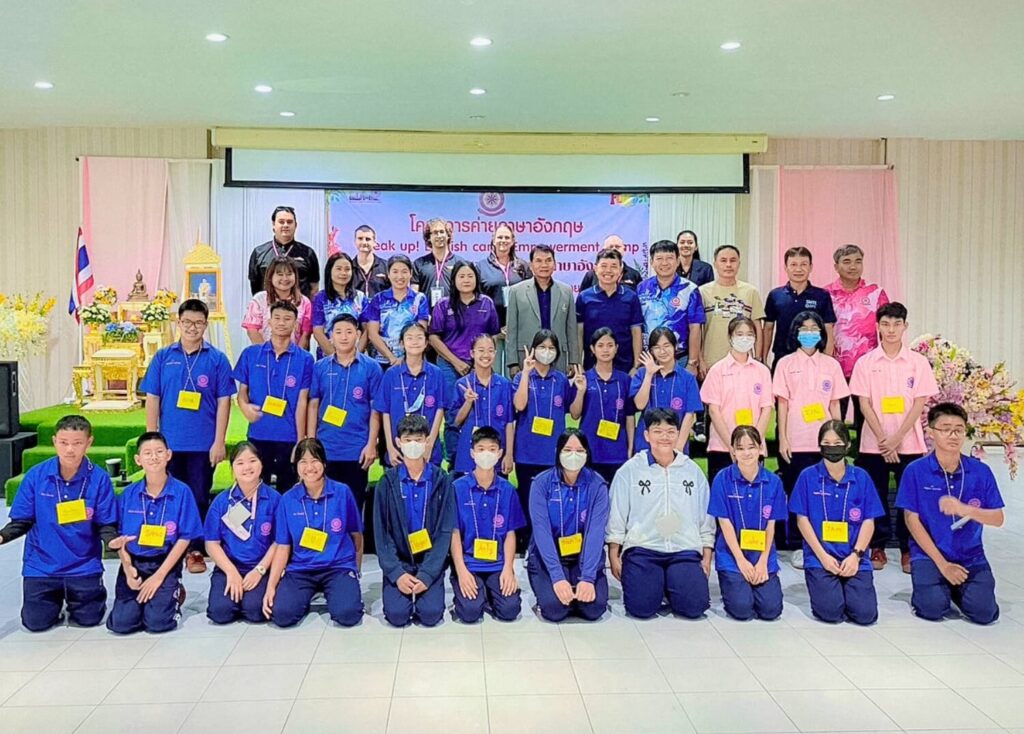
At the outset of the day, we divided the students into 5 groups and assigned each group a specific colour. Approximately 115 students attended, so each group had 20+ students. Then each teacher was assigned to a group, and I was placed with the orange team.
We opened proceedings with an icebreaker, which I took charge of. We had all 115 students form a large circle and join hands. I had them follow the instructions I gave them. They would then be required to do the opposite of what I said (jump back, jump forward, etc.).
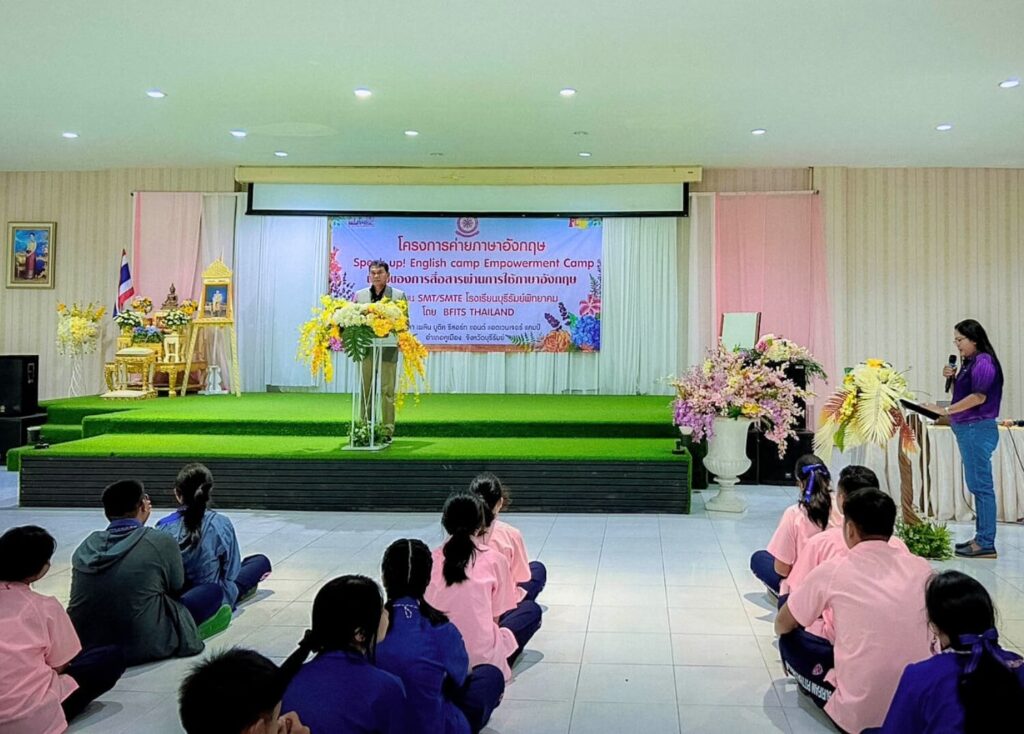
It was a good way for the students to loosen up for the day ahead. After this, our school’s director gave an opening speech in which he explained the importance of students to our school and how they were the future of both Buriram and Thailand. I also want to give a special shout-out to coordinator Toey, who served as MC for much of the day and did an incredible job, encouraging the students at every opportunity.
Creative Challenges and Student Expression
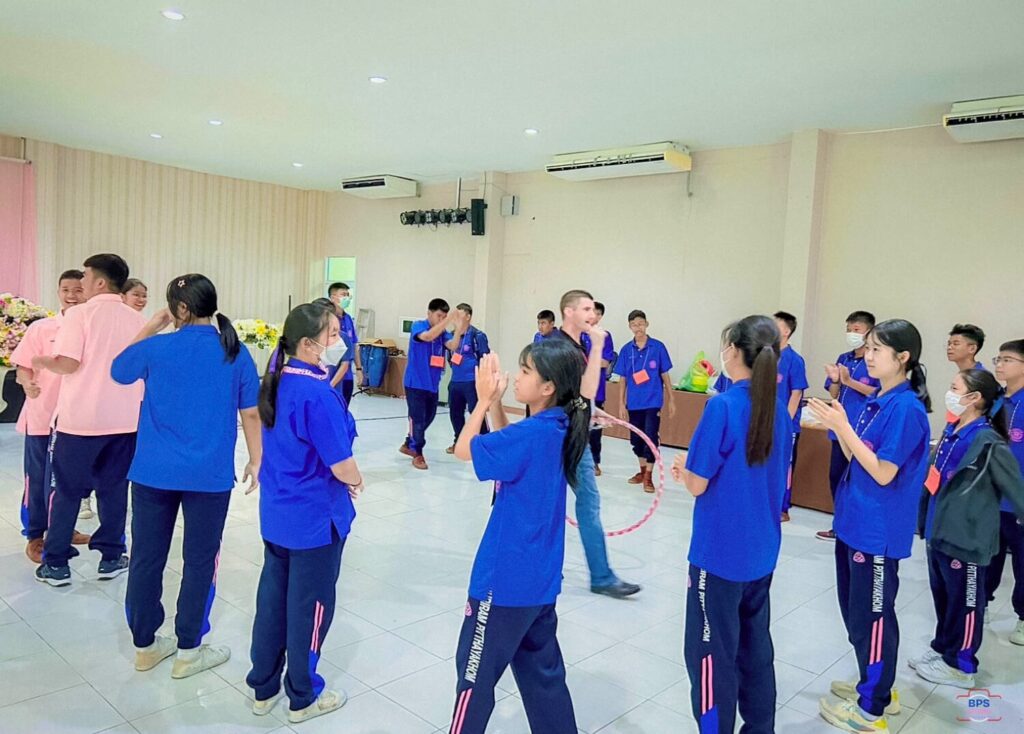
Our students then split into their assigned groups, where we conducted more ice-breaker activities (a student-centric linked chain that must climb through a hoop without anybody becoming detached).
Next up, the groups were tasked with giving their group a name and designing a banner that represented them. Later, they would have to explain the meaning of their group name and banner and what had inspired it.
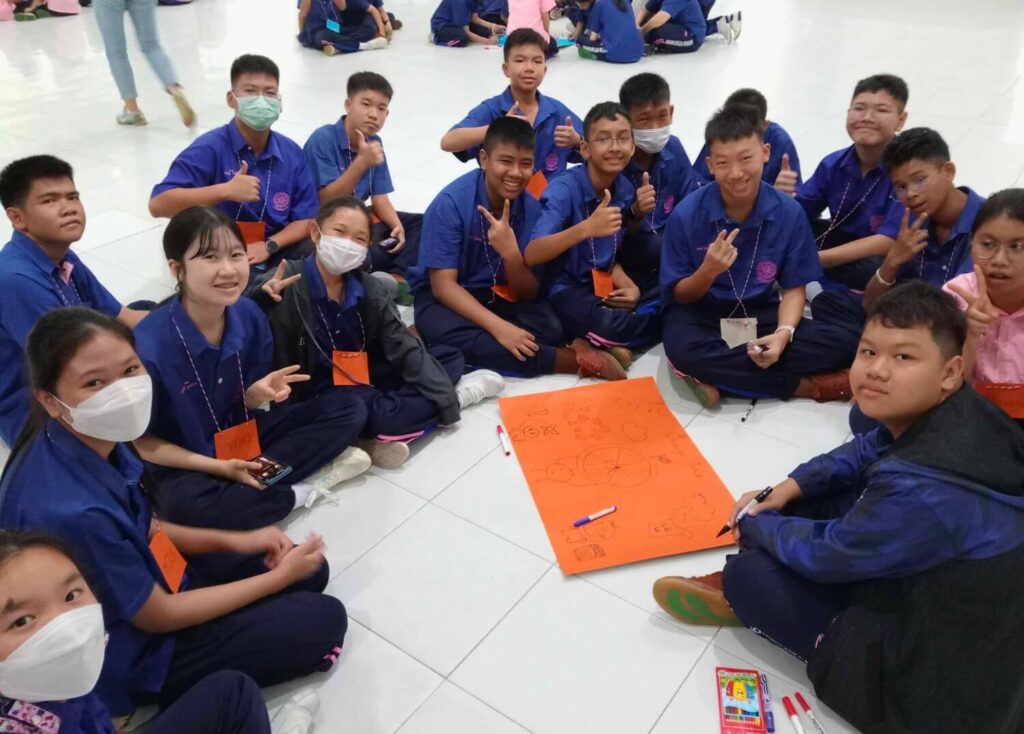
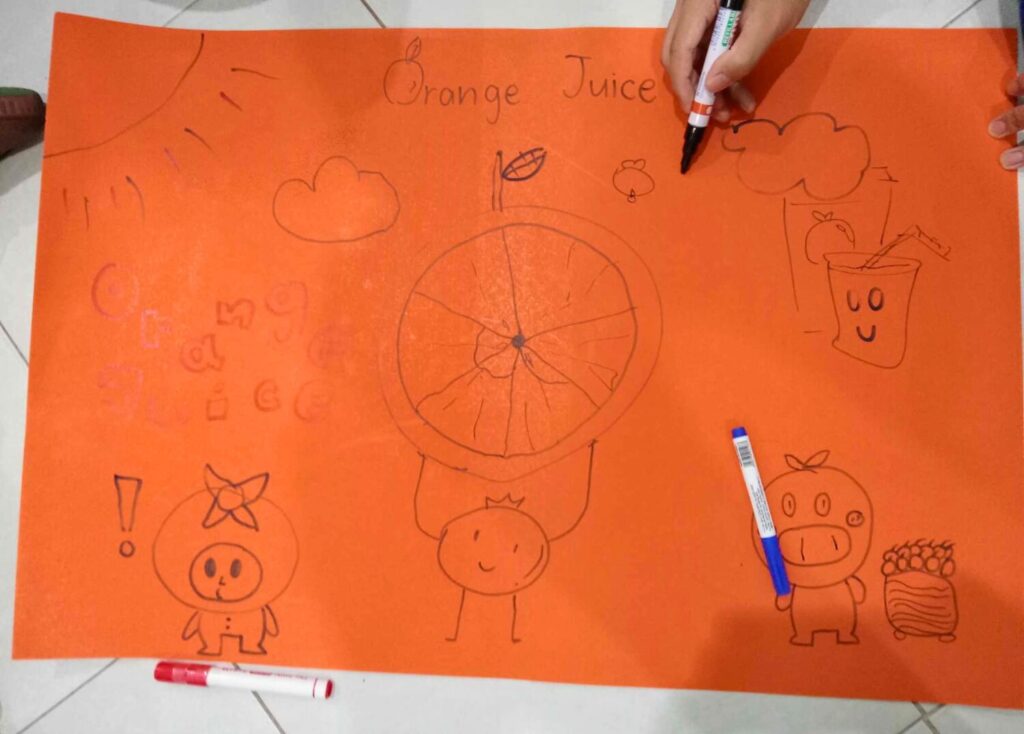
After their banners were completed, the students were told of their next task: to produce a piece of clothing or an accessory using recyclable materials. One student from each group would be selected to serve as a model for the group’s creation.
The students are always quite artistic and rose to this challenge with no issues at all, producing some weird and wonderful items of clothing. I’m always amazed by our students’ ability in tasks such as this, and again, I was not disappointed. We then took a break before returning with our fashion show, showcasing each team’s work.
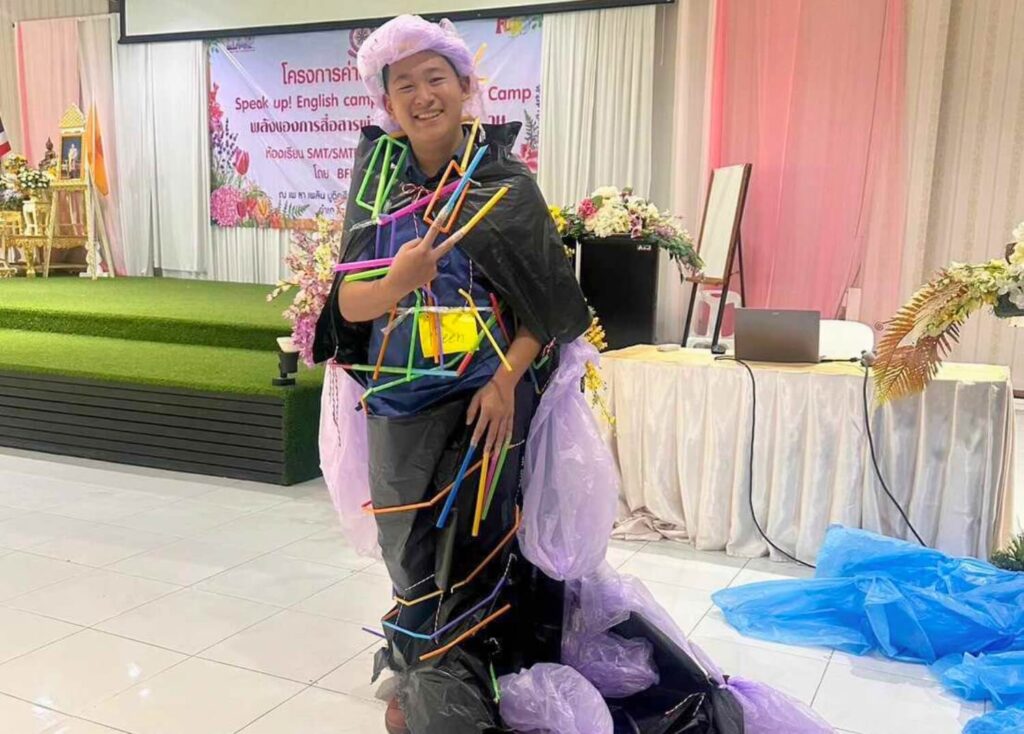
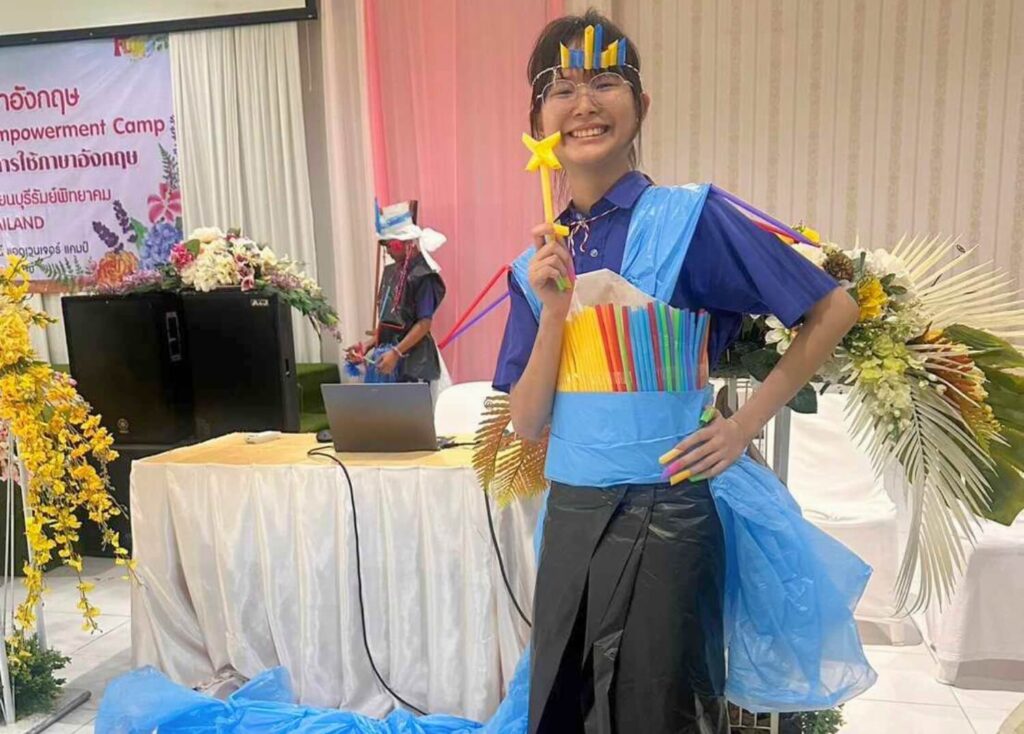
After our short break, the different groups took to the stage and explained the inspiration behind their banners and the clothing they had designed and put together. It was great to see them speak with such confidence as they did this, and then the model from each group showed off the costume their teammates had put together for them.
Games, Activities, and Shared Energy
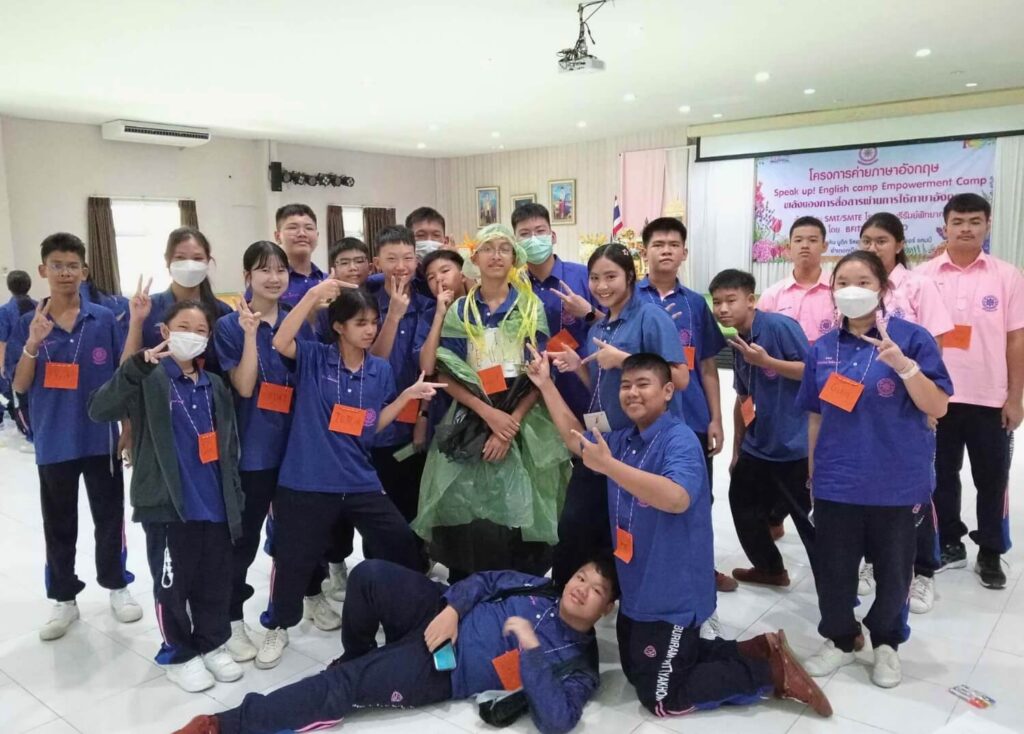
We then took our lunch break, where we feasted on various fish dishes and other assorted foods, of which I cannot adequately describe here, but to which my empty dish is testament enough as to its superb taste.
Re-energised and well fed, it was time for us to reconvene the camp and gather the students once again, as now we teachers would be splitting into our different stations where we would each play a game or have an activity with one group of students for 20 minutes, then the groups would switch, and then again until all 5 groups had been to all 5 stations.
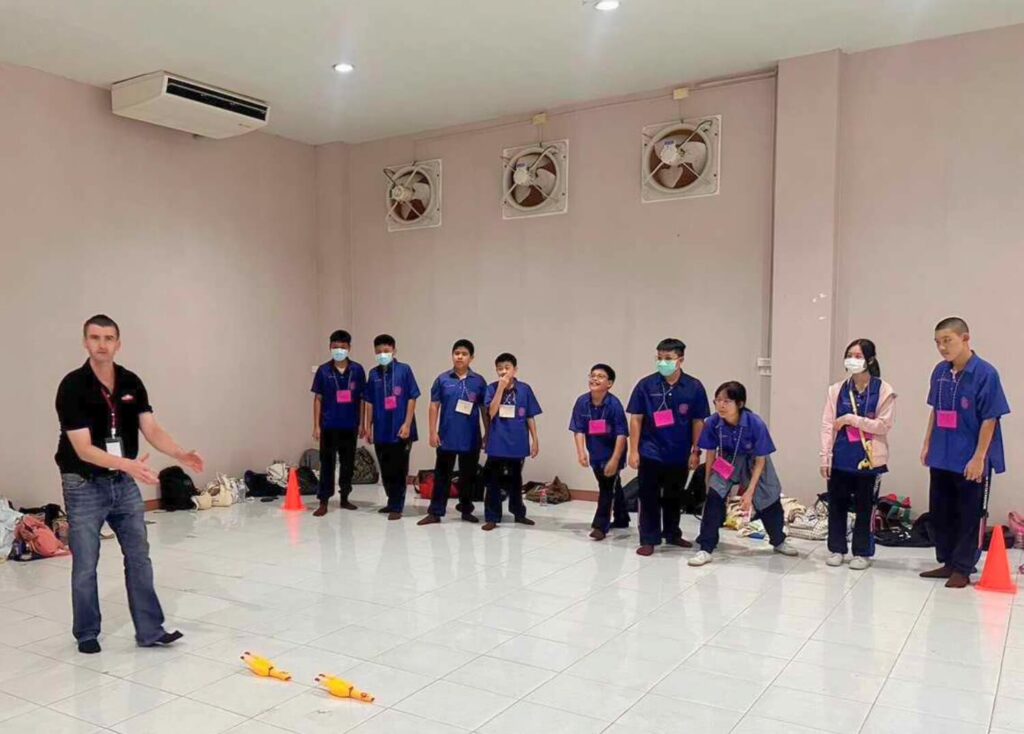
I played a classic camp game called ‘Snatch the Bacon,’ which I had previously seen but not actually played with a group myself. It went well, and all of the students seemed to enjoy it, as they did with all the stations.
Why English Camps Matter for Students
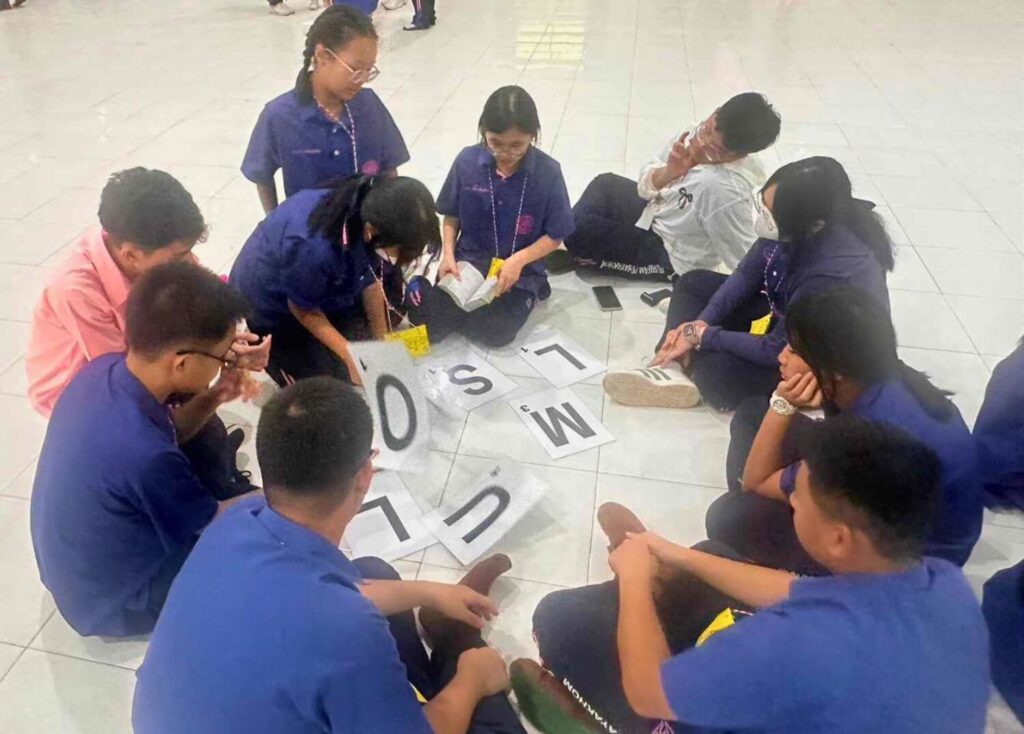
We were now all well and truly physically tired from the day’s fun and games and were just about ready to wrap up. The camp had been a definite success, and all of the teachers and staff had done a fantastic job. The students had thoroughly enjoyed themselves, and some immediate feedback I received was that they would like to see it repeated next year. I certainly felt the same myself.
I have attended an English camp each year that I have been here in Buriram. Usually, it is as part of the English Program, the program where I am a teacher. It’s always nice to get away, to see the students in a different light and away from the classroom.
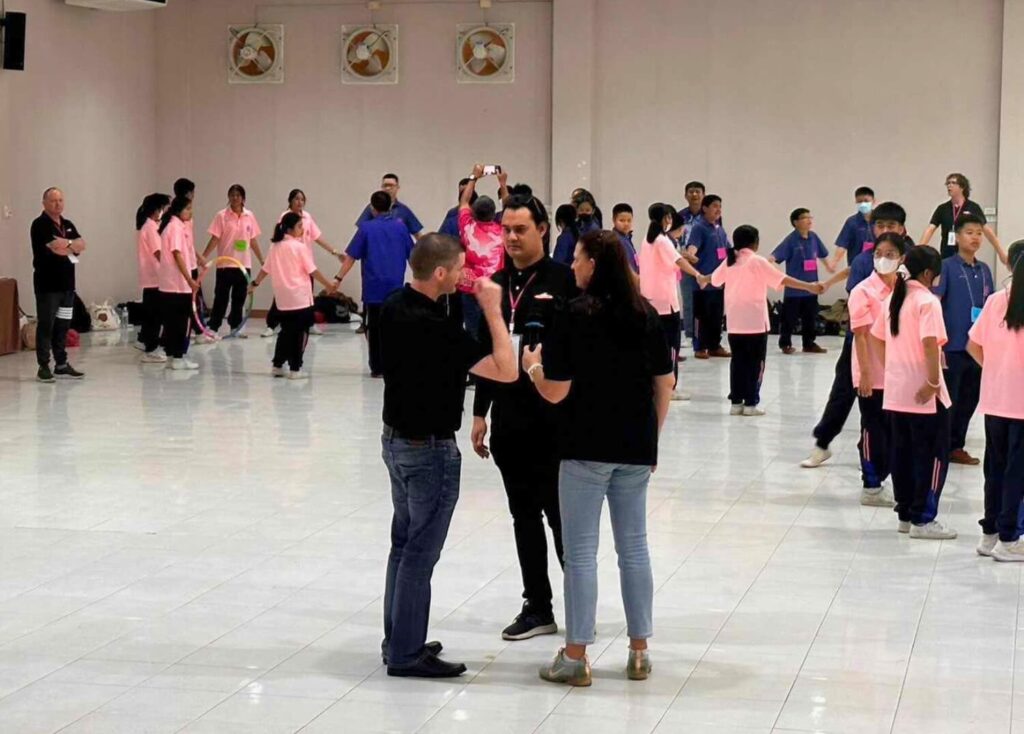
Much like other activities that take place during the school year, I find that camps like these are a great opportunity for the students to grow. It exposes them to English through fun, engaging activities and games, and away from the classroom’s formalities. Shy students can become more confident, and some of their self-consciousness can slip away. Much like my approach when in the classroom, I make an effort to include all students equally.
I also think that the wide variety of teachers and our different ideas at camps like this are beneficial to the students. We each offer something different but equally important, and that can only be a good thing. Even the range of accents the students experienced when we took the lead at the camp will have helped their listening skills. If they can understand a fast-speaking Irishman, a South African, and a New Zealand voice, then they are in a good place with their English.
A Memorable Day with Lasting Impact
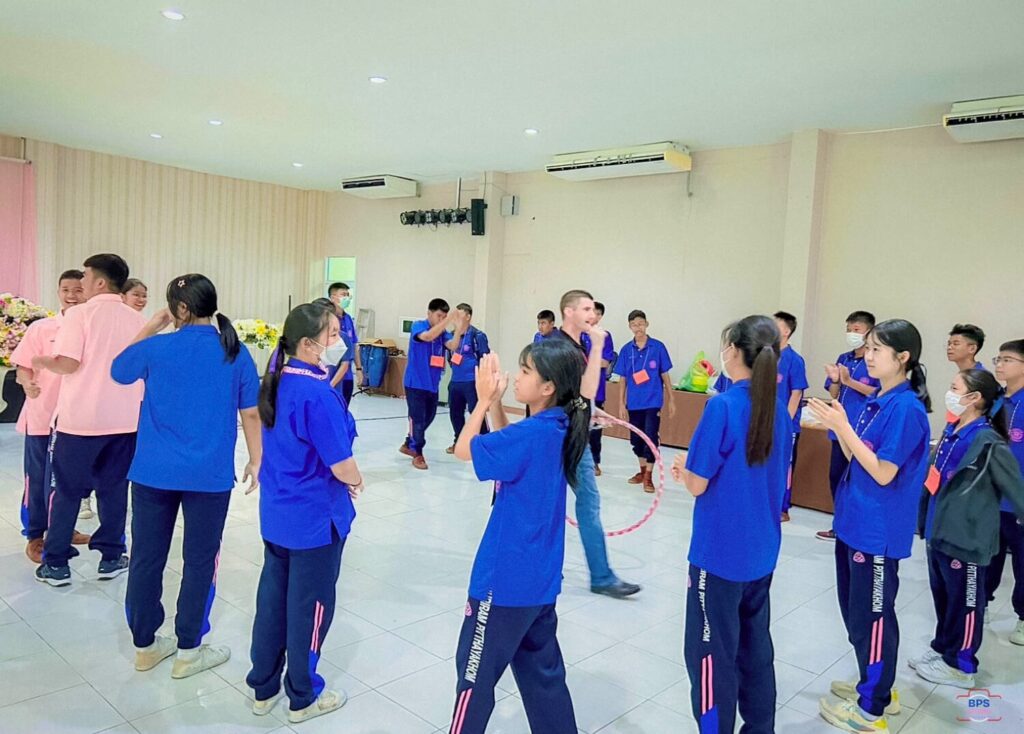
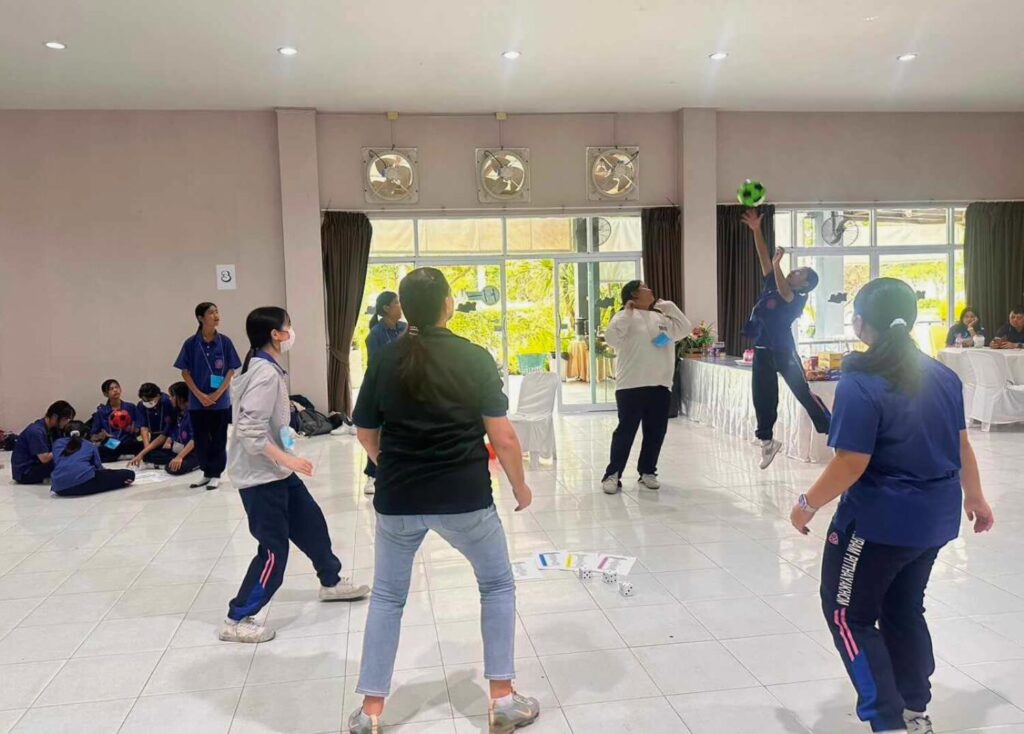
A comfortable learning environment is vital when you are studying, and camps like this take that to a whole other level. Again, I must praise our host location, Play La Ploen Resort, for putting on a great display of care, from the room to the food we were served. I know we all greatly appreciated it.
I expect to go on another camp trip sometime in another semester with the students I teach. When and where that will be, I cannot say for now, but if it proves to be as successful as the one I just took part in, then everybody will be very happy, myself included.
Where Curiosity and Learning Meet
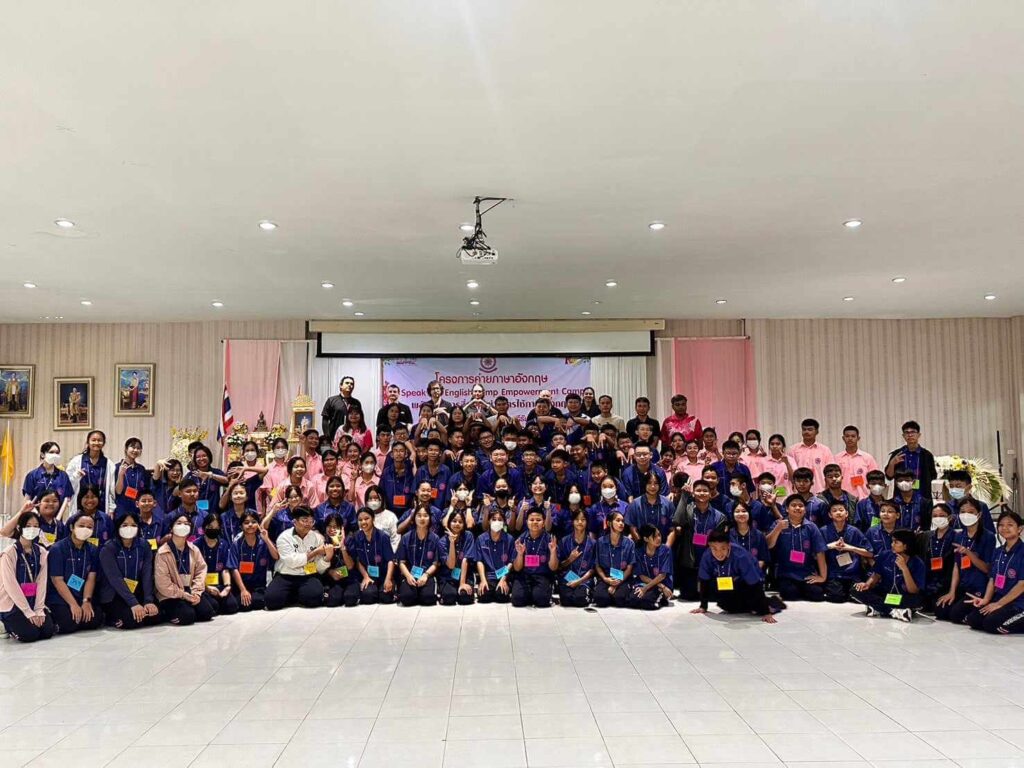
Looking back on the day, it is clear that the value of an English camp lies in the moments that can’t be measured on paper. The confidence shown, the laughter shared, and the willingness of students to step outside their comfort zones all point to something deeper than just language learning. When you teach in Thailand, it is experiences like these that remind you why the role extends far beyond the classroom.
In previous blogs, I have eulogised about how these extra activities bring great joy not only to the students but also to me as a teacher. I love being in the classroom—it’s my home and where I do my best and most fulfilling work—but weekends like this play a vital part in extending a teacher’s influence and helping to mould a genuine love of learning in our students’ minds.
Long may they continue, and I’ll be happy to be there.