As humanity looks toward Mars for potential exploration and habitation, sparking students’ interest in Mars missions becomes crucial. For educators in Thailand, especially those in the BFITS Program, opportunities like this extend far beyond traditional classrooms. A well-structured Mission Mars Activity Program for students can ignite their passion for space science, build critical STEM skills, and foster teamwork and problem-solving abilities.
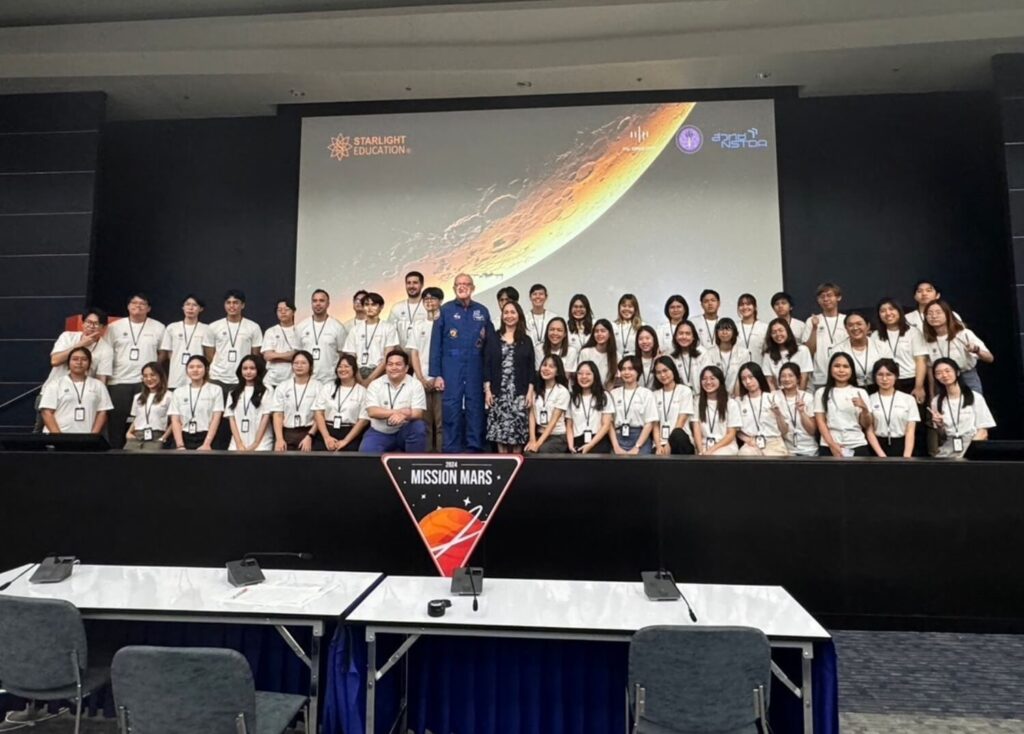
As James Lovelock, best known for proposing the Gaia hypothesis, once said, “We’d never have got a chance to go outside and look at the earth if it hadn’t been for space exploration and NASA.” Such a program would not only educate students about the science and technology behind Mars missions. This will also inspire them to consider careers in space exploration.
This blog outlines a Mission Mars Activity Program designed to engage students in hands-on, interdisciplinary learning experiences related to Mars exploration, while sharing my endeavor as a lead mentor for the Mission Mars Program.
From Volunteer to Lead Mentor Role
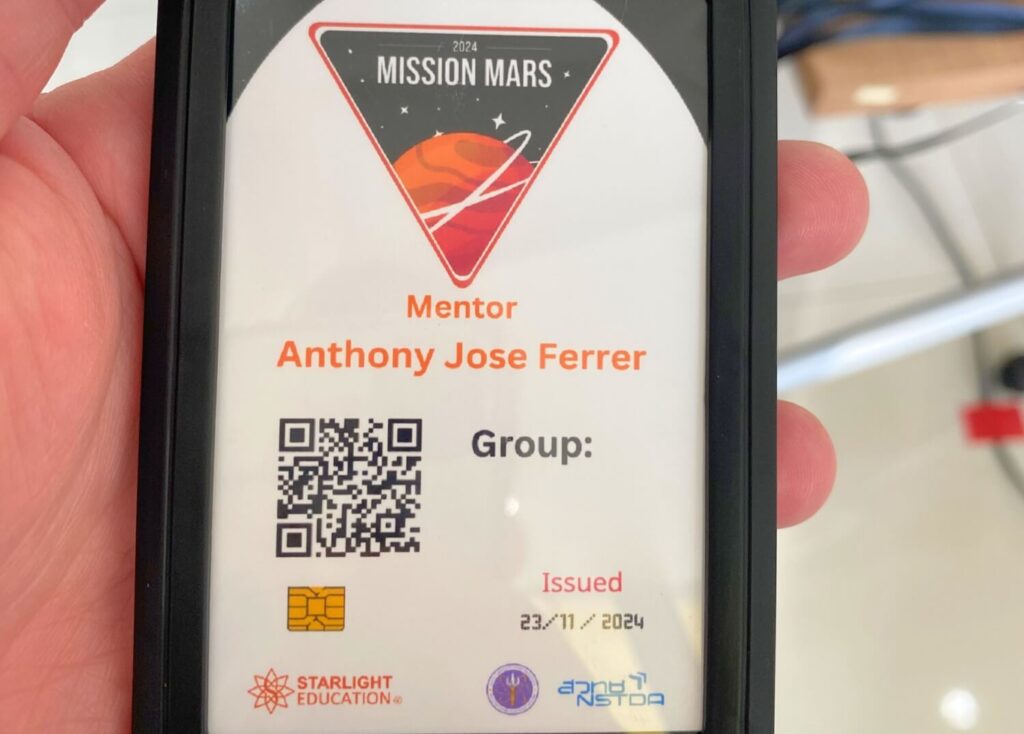
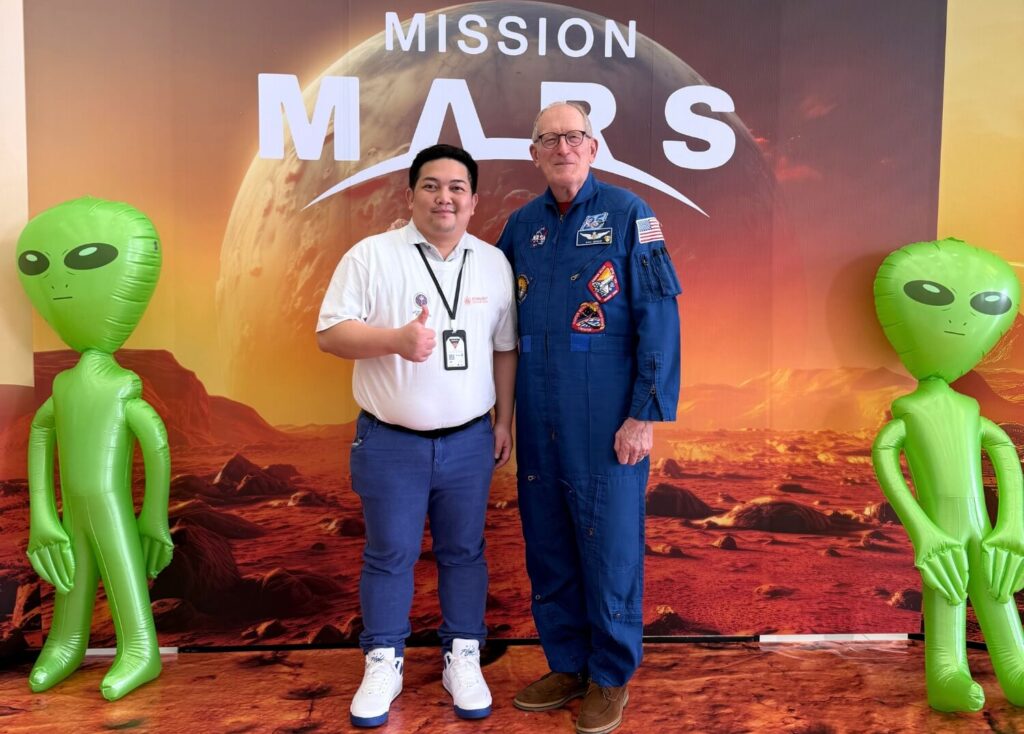
At first, I applied to become a mentor for the Mission Mars Program. I wanted to volunteer for the said event to help students learn more about space exploration and build connections with other educators in Thailand. Then I received an invitation to become one of the mentors, saying, “We are excited to welcome you as selected mentors for the Mission Mars project!”
That message came with a detailed outline of what to expect. It’s almost like stepping into the mission before it even began. The project aims to inspire and develop space knowledge and teamwork skills in youth participants. Through a simulated Mars mission, they will have the opportunity to learn through hands-on experiences. As mentors, we would play a crucial role in guiding and advising the participants throughout the activities.
Structured Preparation for Mission Mars Mentors
Along with the invitation, we were given a clear structure of preparations to ensure everything would run smoothly. In preparation for the said event, the outline of preparations was shared as follows:
Details of the upcoming meetings:
- Online Meeting
Date: November 12
Time: 18:00 (6:00 PM)
Zoom: Link for online mentor briefing on 12th November
To ensure a smooth and productive meeting, we were informed to review the attached agenda. During the meeting, we discussed the overall project, the volunteers’ roles and responsibilities, and collaborated on planning to ensure we were fully prepared to support the youth participants.
- In-Person Meeting
Date: November 22
Time: 17:00 (5:00 PM)
Location: Pathum Thani Province, Thailand Science Park
This in-person meeting allowed us to meet the team, clarify each role, and better understand the project’s workflow. It was an opportunity to finalize the preparations to ensure that Mission Mars would be a memorable and valuable experience for the participants.
Benefits to gain from this project:
· Gain experience working with experts in the space industry.
· Have the opportunity to inspire and mentor youth.
· Develop leadership and teamwork skills.
· Enjoy a fun and rewarding experience while learning from meaningful activities.
As part of the Preparation Survey, and for our convenience, we were asked to complete the attached Google Form. This is to confirm our participation and provide any feedback or information that would help us prepare for the project.
Designing a Realistic Mission Mars Experience
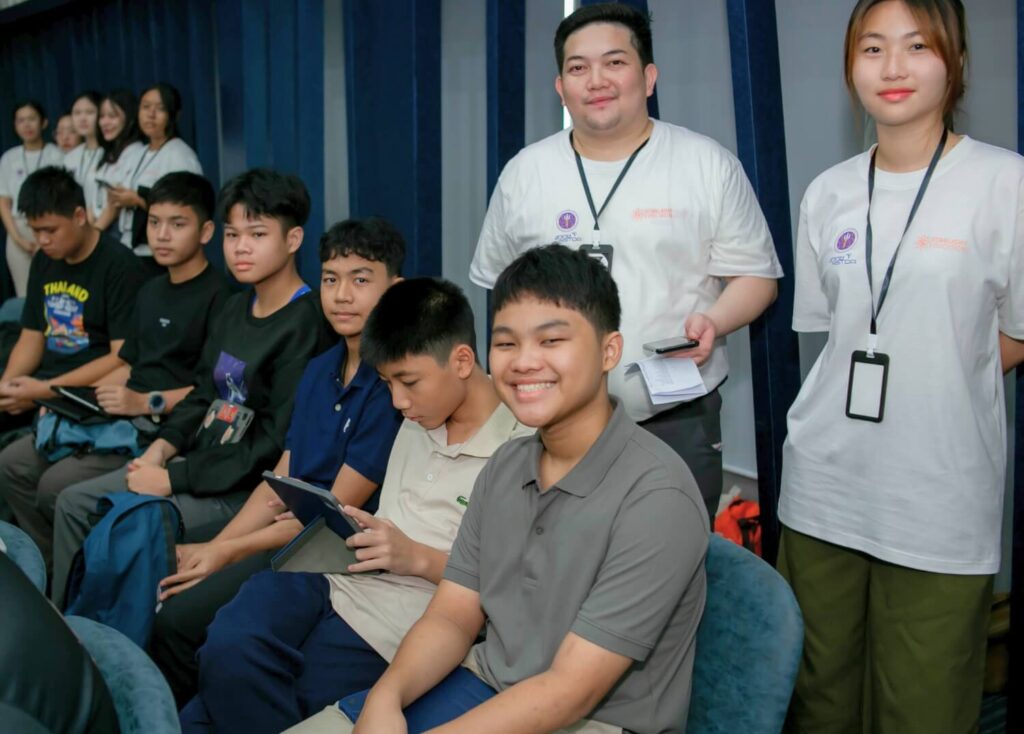
The Mission Mars Activity Program is a two-day, interactive, educational program tailored for middle and high school students. The goal is to simulate the stages of a Mars mission, from planning and launching to landing and exploration.
The program is divided into four main activities: Mission Planning, Rover Design and Engineering, Mars Habitat Simulation, and Data Analysis. Each activity combines scientific principles with practical problem-solving, allowing students to experience the challenges and excitement of a Mars mission. I am so excited to be part of this event.
Building Teams and Mission Strategies
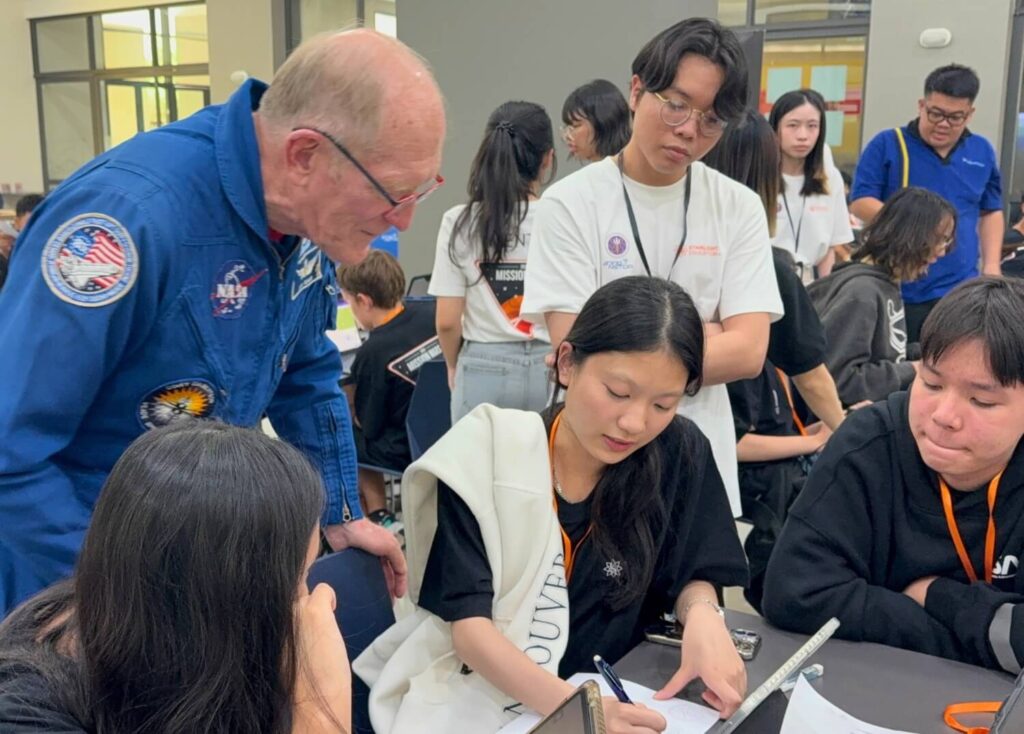
Objective: Introduce students to mission planning and collaborative teamwork.
The program began with students forming teams to work as “mission crews.” Each team was assigned a specific role, such as engineers, scientists, and mission commanders, replicating the multidisciplinary teams found in real-world space agencies.
Students learned about Mars’ geography, atmosphere, and challenges, using interactive tools such as NASA’s Mars Trek. They conducted research to set mission objectives, such as exploring Martian geology, looking for signs of life, or testing technologies for future human habitation.
Students worked together to develop a mission plan that includes selecting landing sites, establishing communication protocols, and budgeting resources. This phase emphasized the importance of teamwork, communication, and strategic planning in a successful space mission.
Engineering Skills Through Rover Design
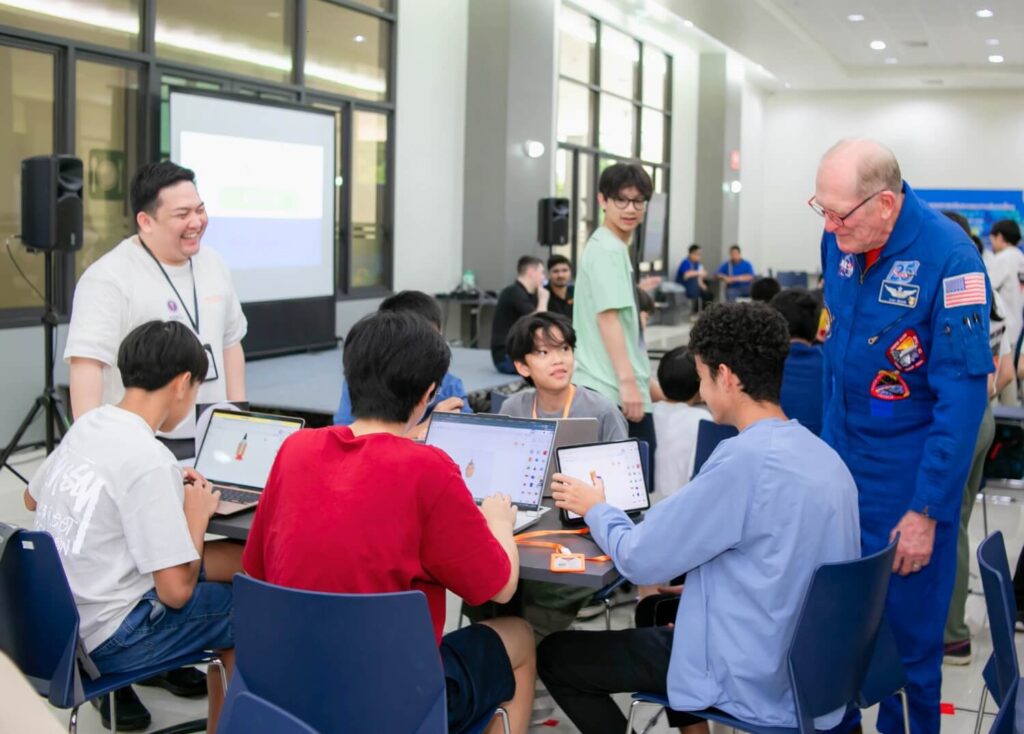
Objective: Teach students engineering skills by designing and building a Mars rover model.
In this phase, students are introduced to the engineering principles behind robotic rovers like NASA’s Perseverance and Curiosity. Using accessible materials such as Lego kits, 3D-printed parts, or even household materials, teams build their own miniature Mars rovers.
They design the rover to navigate simulated Martian terrain, complete with rocks, sand, and inclines, allowing students to experience the engineering challenges of creating a vehicle capable of traversing Mars’ rugged surface.
Students program their rovers to carry out basic tasks such as avoiding obstacles, collecting soil samples, or photographing specific targets. This hands-on activity strengthens students’ mechanical and programming skills while giving them insight into the intricate work that goes into building robotic explorers.
Creating Sustainable Life on Mars
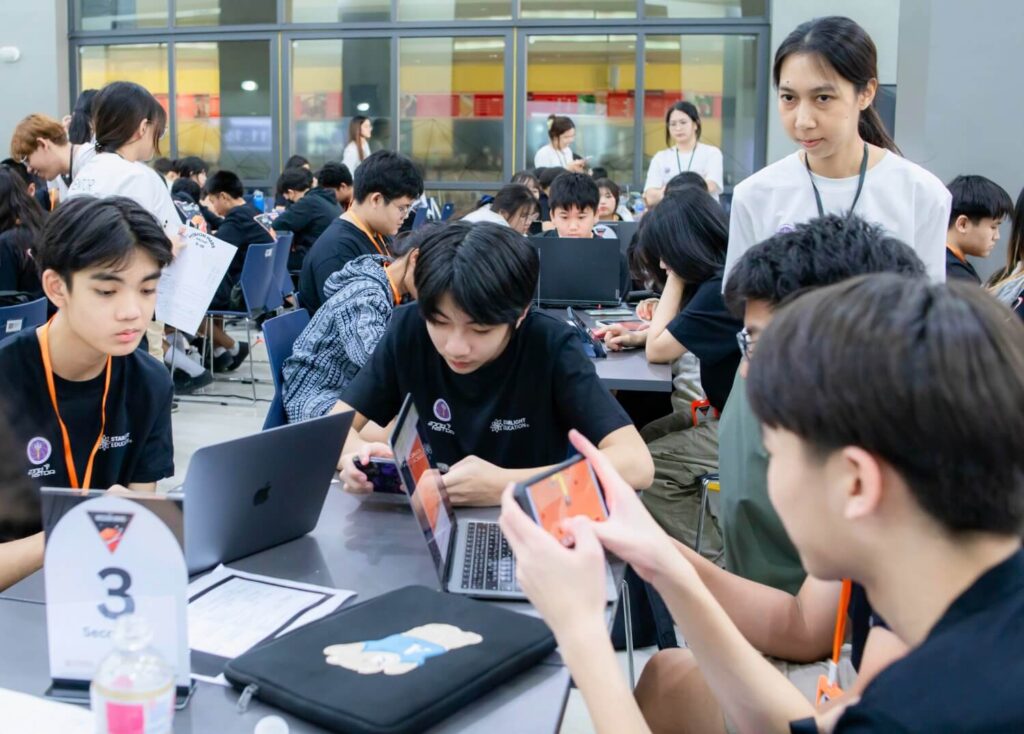
Objective: Encourage creativity and resourcefulness by designing a sustainable habitat.
Next, students dive into the challenges of creating a sustainable living environment on Mars. They are tasked with designing a hypothetical Mars habitat capable of supporting human life for extended periods. Topics covered include life support systems, radiation shielding, food and water supply, and recycling.
Using art supplies, modeling software, or Minecraft, students create detailed models or digital simulations of their habitats. The activity emphasizes the necessity of self-sustainability in space and helps students understand how essential resources such as water, air, and food might be sourced, conserved, and recycled on Mars.
Analyzing Data and Presenting Findings
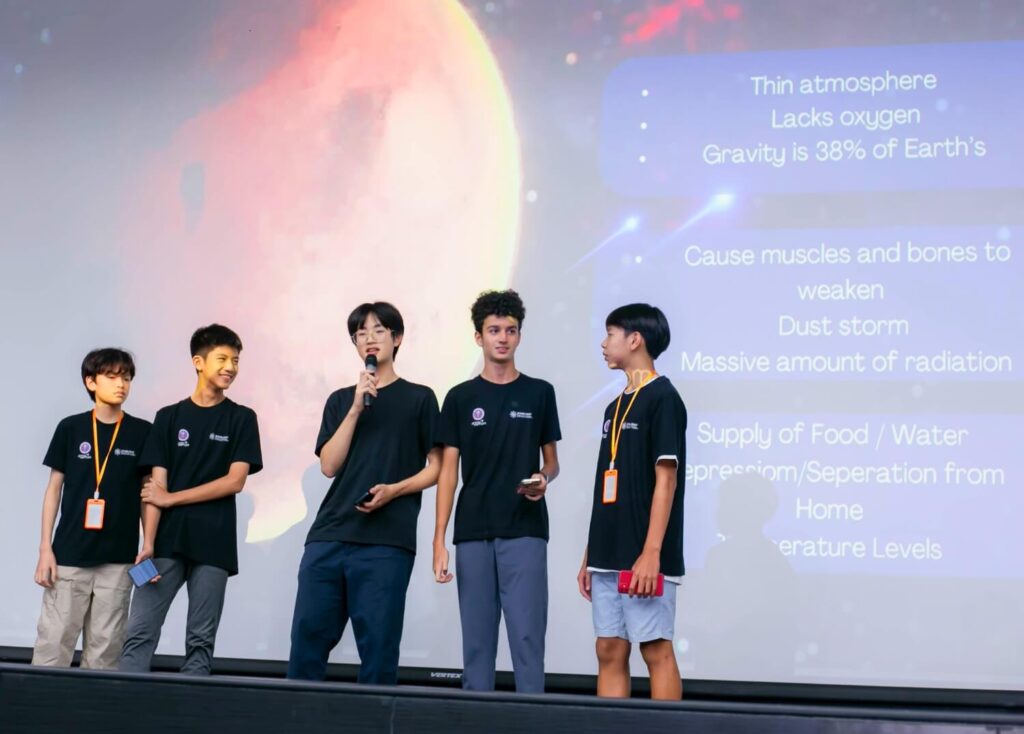
Objective: Develop data analysis and reporting skills.
The final phase of the Mission Mars Activity Program focuses on data analysis and scientific reporting. Each team collects “mission data” from its rover trials and habitat models, analyzes the results, and draws conclusions.
Teams prepare reports or presentations to share their findings with peers and mentors, simulating real-world scientific communication. This exercise reinforces the scientific method and helps students develop critical thinking and public speaking skills.
Highlight Project: Designing Mars Habitats
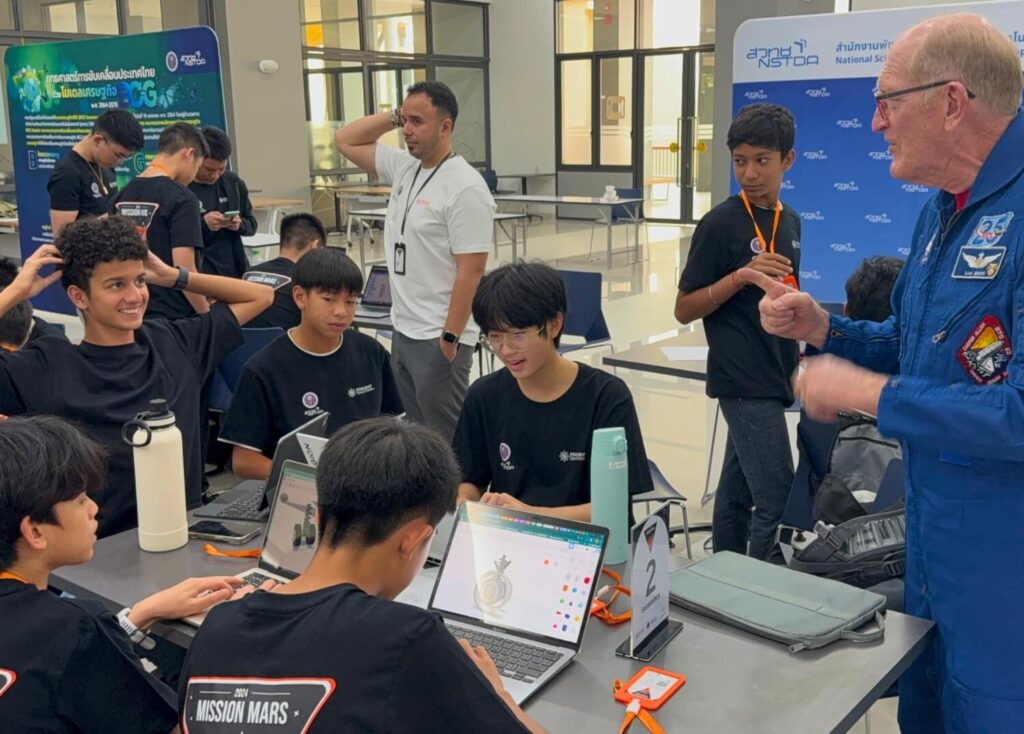
Creating a 3D and presenting a Mars habitat project involves envisioning and designing a sustainable living environment that could support human life on Mars. Given the planet’s extreme conditions, this endeavor requires a multidisciplinary approach that combines engineering, biology, architecture, and environmental science.
Designing a 3D model and presenting a Mars habitat is an extraordinary challenge that requires innovative engineering, thorough scientific understanding, and a commitment to sustainable design.
Using advanced technologies such as in-situ resource utilization, radiation shielding, renewable energy, and hydroponic farming, we may eventually create a livable, self-sufficient environment on Mars.
Building Connections Beyond the Classroom
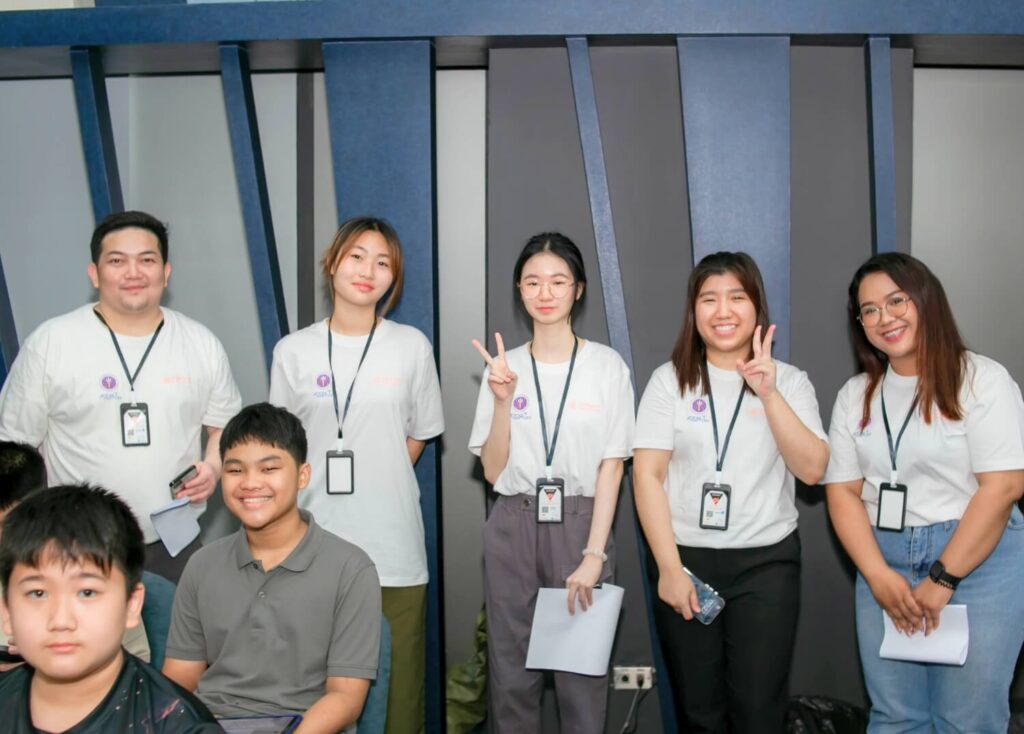
With this kind of program, I have had the opportunity to build connections with other teachers. Building connections with other teachers in the Mission Mars Program is essential for creating a meaningful, interdisciplinary educational experience.
Teachers can enhance learning, share resources, develop professionally, and create a supportive community through collaboration. These connections improve the Mission Mars Program and open up possibilities for future collaboration and curriculum integration.
Shaping Future Innovators Through Teaching
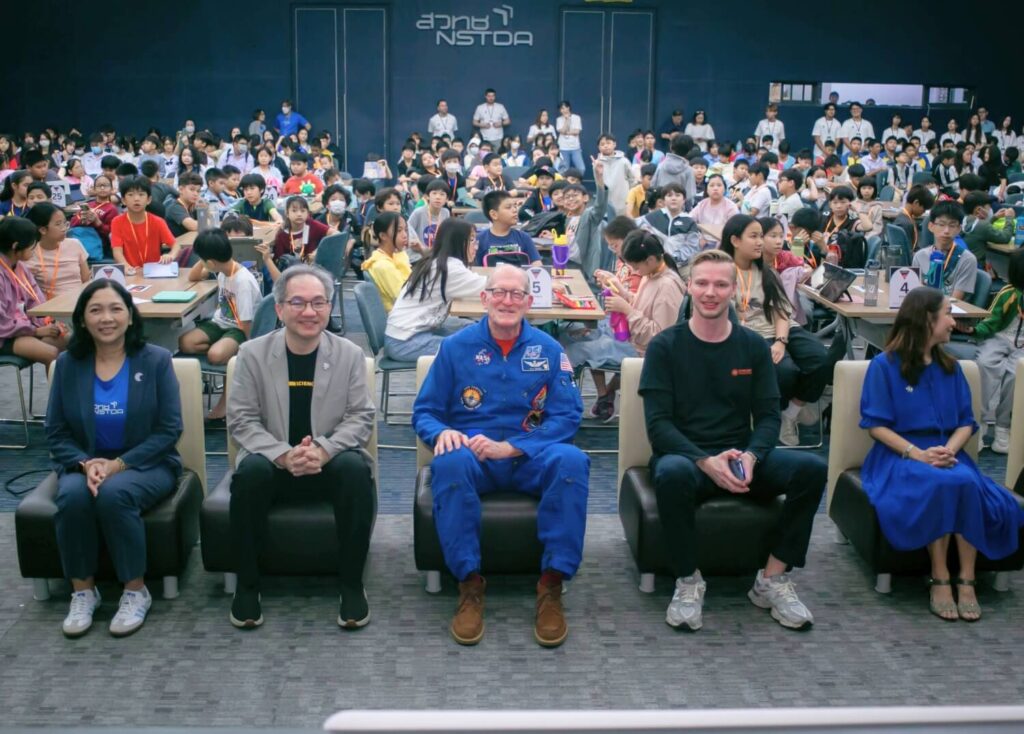
This Mission Mars Activity Program provides students with an engaging, hands-on learning experience that brings Mars exploration to life. By combining elements of engineering, environmental science, teamwork, and data analysis, the program cultivates a broad range of skills.
For educators who choose to teach abroad or in Thailand, experiences like this highlight how impactful learning can be when it goes beyond textbooks. Students gain a better understanding of STEM subjects, develop problem-solving abilities, and learn to appreciate collaboration in scientific endeavors.
As humanity moves closer to reaching Mars, programs like this play a pivotal role in inspiring young minds to dream big, think critically, and work together to solve complex challenges—both on Earth and beyond.








![[BFITS] BrightMinds Series_The Future is Yours KickOff Session on Expert Insights for Your Future Career with Mr. Suthichai Yoon](https://bfitsthailand.com/wp-content/uploads/2025/01/BFITS-BrightMinds-Series_The-Future-is-Yours-KickOff-Session-on-Expert-Insights-for-Your-Future-Career-with-Mr.-Suthichai-Yoon-300x109.jpg)