English has become the common language for business, science, and popular culture worldwide. This global shift has changed how educators approach English language education, especially when teaching in Thailand. Previously, English learning focused heavily on grammar rules, vocabulary lists, and memorisation, with assessment mainly through standardised tests. While these fundamentals remain important, they often fail to measure functional competence—the ability to use English confidently and effectively in real-life situations.
Modern English competitions reflect this change. They move beyond static testing and embrace performance-based formats that challenge students to communicate meaningfully. English Singing Competitions and Science Project Competitions are strong examples of this evolution. Each develops communication skills differently, yet both transform English from a theoretical subject into a practical tool.
In this blog, I share my experience coaching students through these competitions and reflect on how they build confidence, emotional intelligence, and real-world communication skills within a BFITS partner school environment.
Rethinking English Proficiency Through Communicative Competence
To understand the value of non-traditional English competitions, it is important to distinguish between traditional language proficiency and practical communication skills. Conventional definitions often emphasise grammatical accuracy and vocabulary range. While essential for literacy, this approach can produce students who write well but struggle to communicate ideas under pressure.
This reality closely aligns with Dell Hymes’ concept of communicative competence, which includes grammar, social awareness, narrative structure, and strategic thinking. True English proficiency is demonstrated by how effectively someone communicates meaning in different social contexts. English competitions rooted in performance and presentation require students to use all of these competencies simultaneously.
English Competitions as Real-World Language Practice
English competitions in singing and science projects require participants to use English as a functional tool rather than an academic goal. In these settings, language supports other objectives—delivering an emotional performance or defending scientific findings. The competitive environment adds pressure, forcing students to think strategically and respond spontaneously when faced with linguistic challenges.
These contexts provide a more comprehensive evaluation of English ability than traditional exams. Students must listen carefully, respond clearly, and adjust language use in real time. Among the many competition formats available, English Singing and Science Project competitions stand out for assessing both expressive and analytical communication skills. I focus on these formats because I had the opportunity to coach remarkable students in both.
English Singing Competitions: Language Through Emotion and Performance

In an English Singing Competition, language learning becomes an emotional and performative experience. Success depends not only on grammatical correctness but also on pronunciation, rhythm, stress, and intonation. These elements mirror natural spoken English and are essential for delivering meaning through lyrics.
Singing competitions also help students overcome affective barriers such as anxiety and fear of public speaking. Rather than focusing on potential errors, students concentrate on delivering a compelling performance. This shift promotes fluency and spontaneity. Non-verbal communication—eye contact, facial expressions, posture, and stage presence—becomes just as important as spoken English.
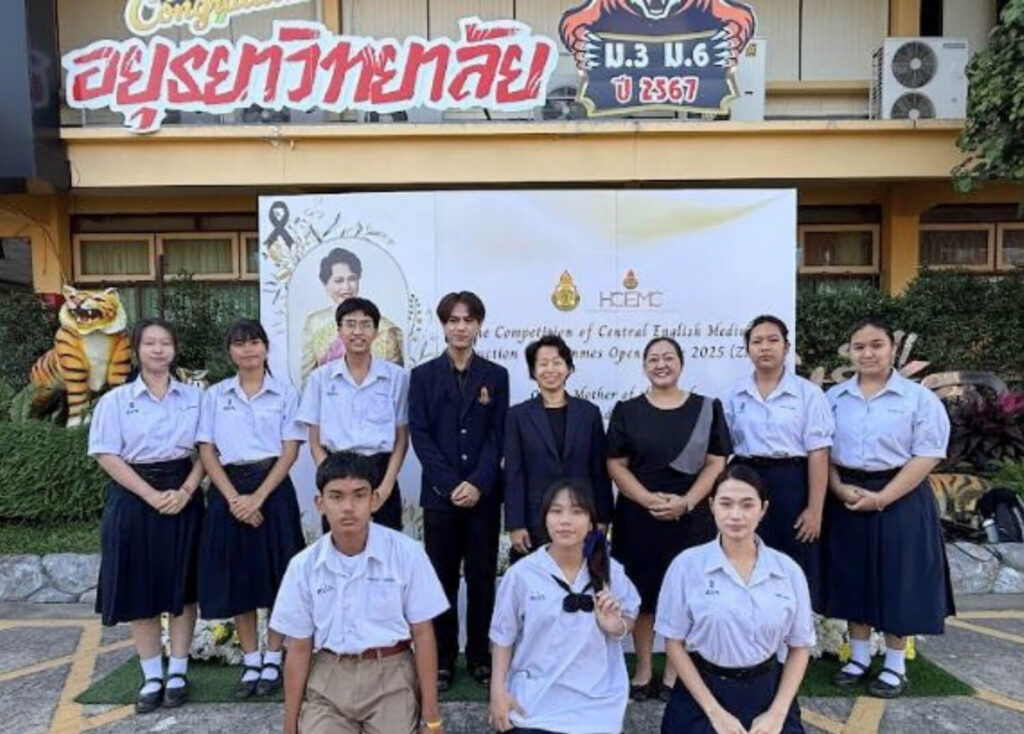
These skills extend far beyond music. Public speaking, presentations, and professional communication all require integrating verbal and nonverbal cues. In this competition, my student Anya performed Beyoncé’s “Listen,” demonstrating how emotional delivery strengthens English communication.
Science Project Competitions: Precision, Structure, and Persuasion
In contrast to the emotional focus of singing, the English Science Project Competition emphasises clarity, structure, and precision. Here, English becomes a tool for explaining complex ideas, defending research, and responding to expert questions.
Participants must use formal language, technical vocabulary, and cautious phrasing such as “The results suggest” or “This may indicate.” Accuracy matters not only grammatically but conceptually. Students must organise ideas logically—presenting hypotheses, methods, results, and conclusions in a clear narrative.
The Q&A session is one of the strongest tests of functional English. Judges challenge assumptions, question methodology, and probe conclusions. Students must listen carefully, think critically, and respond persuasively in English. This mirrors real-world experiences in academic conferences, research settings, and professional presentations.
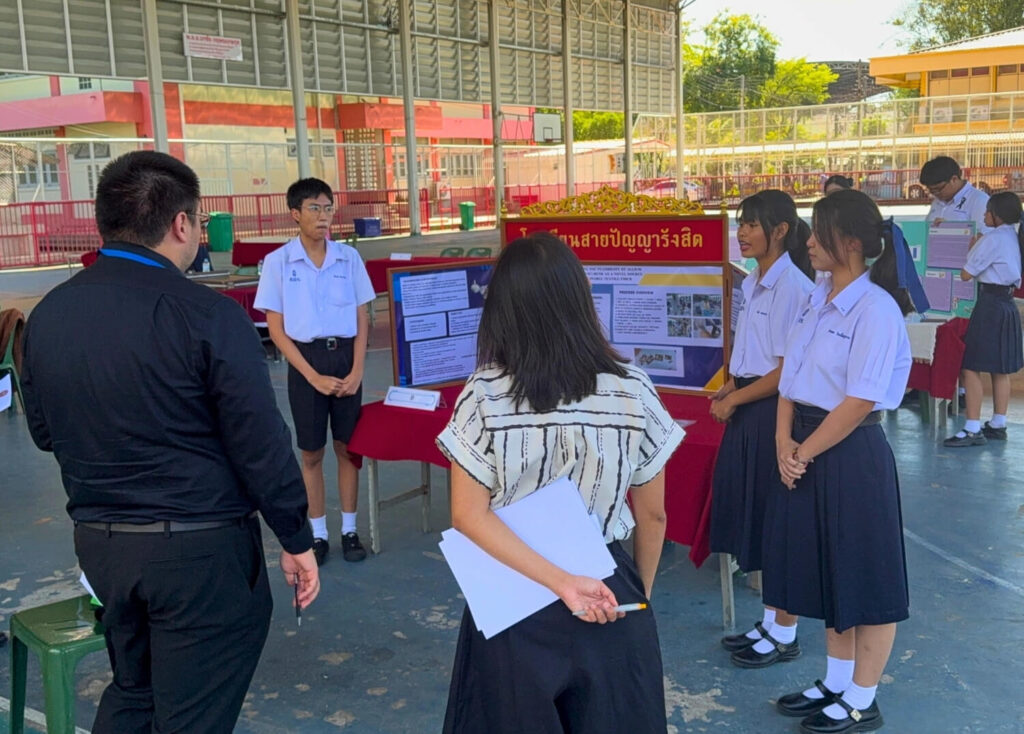
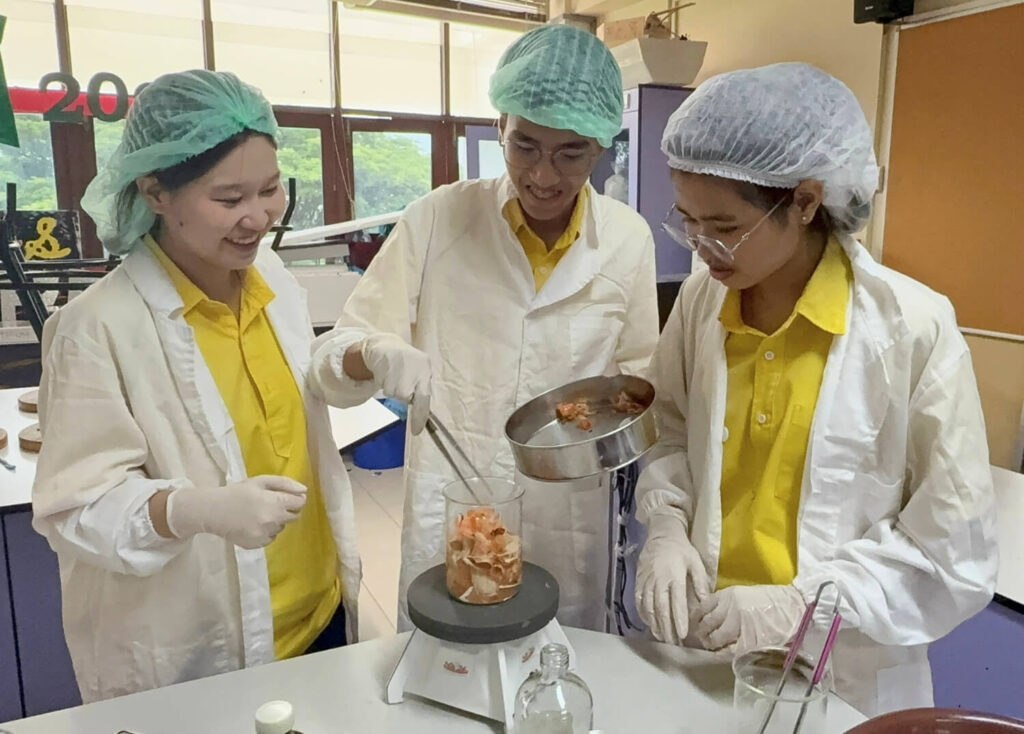
My SPR BFITS Program students, Coke, Namfon, and Ploy, presented their research titled “Investigating the Feasibility of Allium sativum (Garlic) Husk as a Novel Source for Sustainable Textile Fiber.”
Shared Skills Across Music and Science Competitions
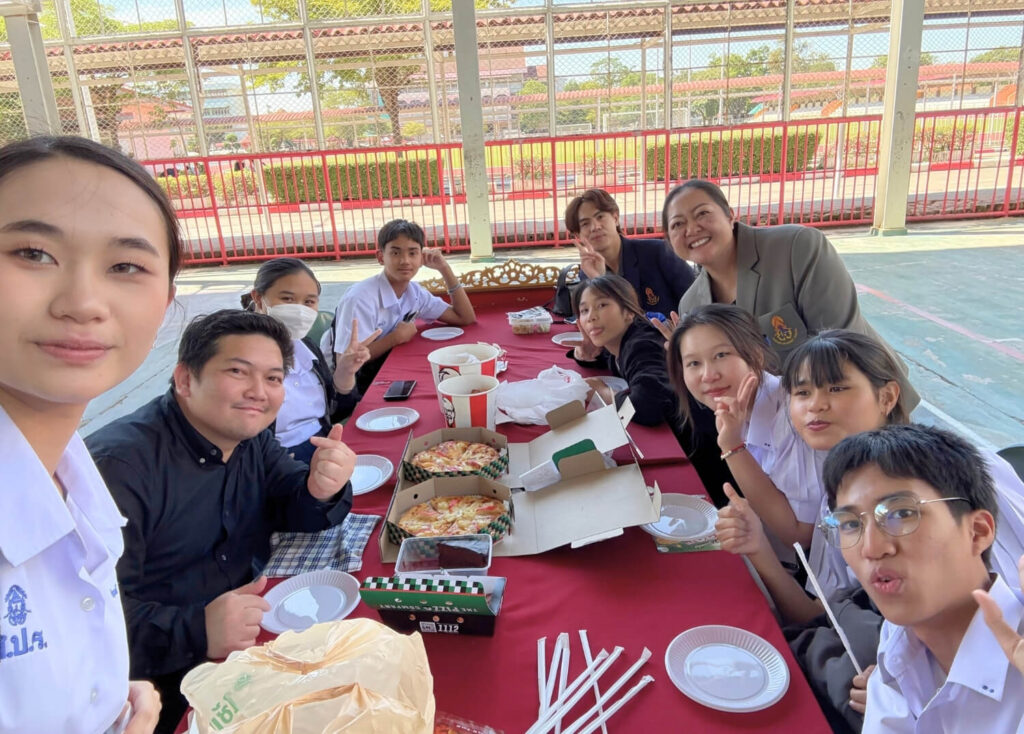
Although English Singing and Science Project competitions appear very different, both rely on confident, purposeful communication. Together, they demonstrate the full range of English communication skills required in modern education.
Both formats prioritise fluency over rigid accuracy. In high-pressure environments, hesitation due to fear of making mistakes can disrupt communication. These competitions teach students that maintaining message flow matters more than perfection. This mindset encourages risk-taking and accelerates language development.
Both competitions also demand audience awareness. Singers adjust tone, volume, and pace to engage listeners. Science presenters modify language depending on whether they address expert judges or general audiences. This adaptability is essential for advanced English proficiency and professional success.
Beyond Competition: Confidence That Lasts
Competing in English singing and science presentations builds resilience and confidence. Recovering from a missed note, handling unexpected questions, or presenting complex ideas under pressure strengthens one’s confidence in communicating effectively in English.
Modern English competitions provide a meaningful way to assess true language proficiency. They move beyond grammar and vocabulary tests to evaluate English as a living, functional skill. Singing competitions develop emotional fluency and expressive delivery, while science competitions build analytical clarity and persuasive communication.
By using English as a tool for artistic expression and intellectual argument, these competitions reflect the demands of the global professional world. They validate students’ existing knowledge while shaping them into adaptable, confident communicators ready to use English in any path they pursue.
“The true reward of competition isn’t the medal or the loss, but the person you become along the way. The grit forged in training, the lessons learned in defeat, and the camaraderie built with rivals—that is the victory that endures long after the final score is forgotten.”










![[BFITS] BrightMinds Series_The Future is Yours KickOff Session on Expert Insights for Your Future Career with Mr. Suthichai Yoon](https://bfitsthailand.com/wp-content/uploads/2025/01/BFITS-BrightMinds-Series_The-Future-is-Yours-KickOff-Session-on-Expert-Insights-for-Your-Future-Career-with-Mr.-Suthichai-Yoon-300x109.jpg)